The greatest shortage on the path towards the EU may be not money, but capable teams, well-prepared projects and trust in local institutions. Communities that develop these strengths in advance will gain access to new opportunities. For others, funding that is formally available may remain out of reach.
This was one of the recurring themes of the “Зміни Тут: Європа починається з громад” forum, organised by the We Build Ukraine think tank as part of the “Єднання для громади” project, implemented by ISAR Ednannia with financial support from the European Union.
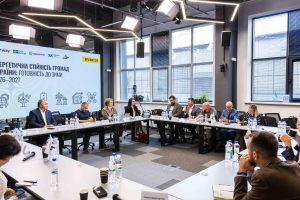
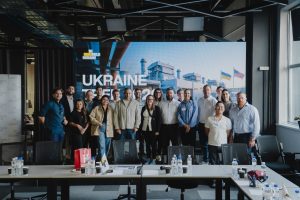
Over the course of three panel discussions, representatives of local government, business, civil society, the media, Parliament, the Defence Forces and European institutions discussed state resilience, communities’ practical experience and a new social contract between the state, businesses and citizens.
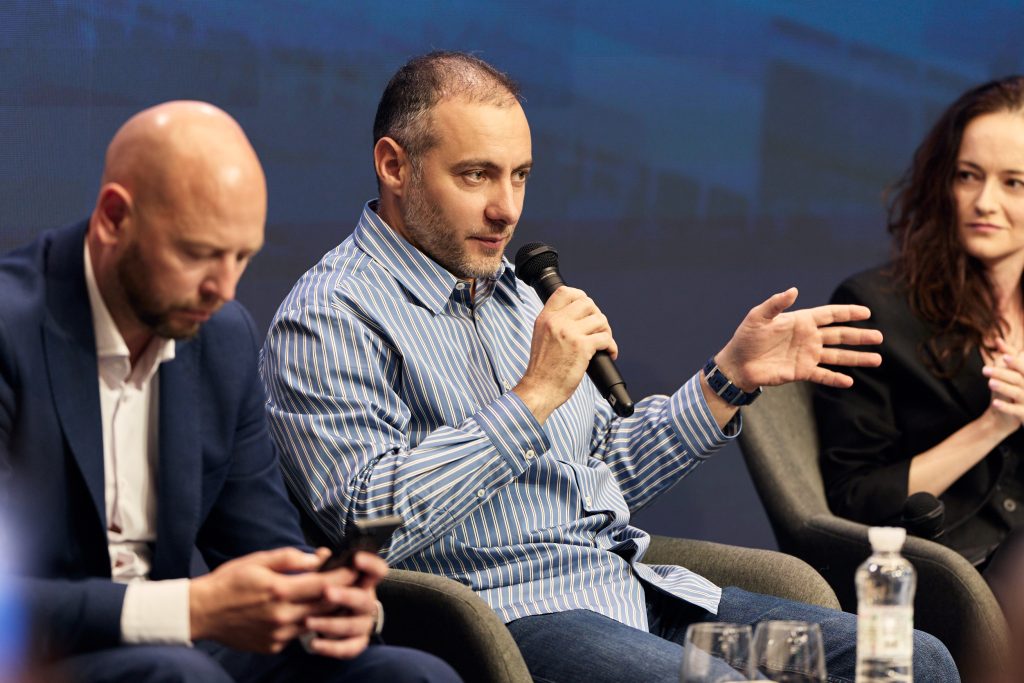
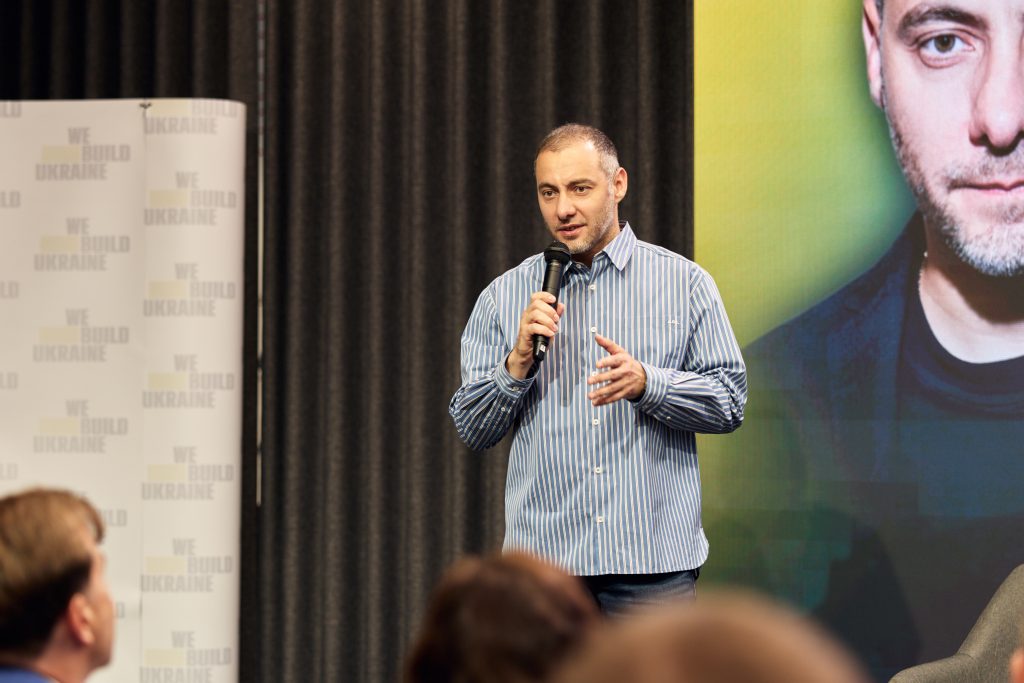
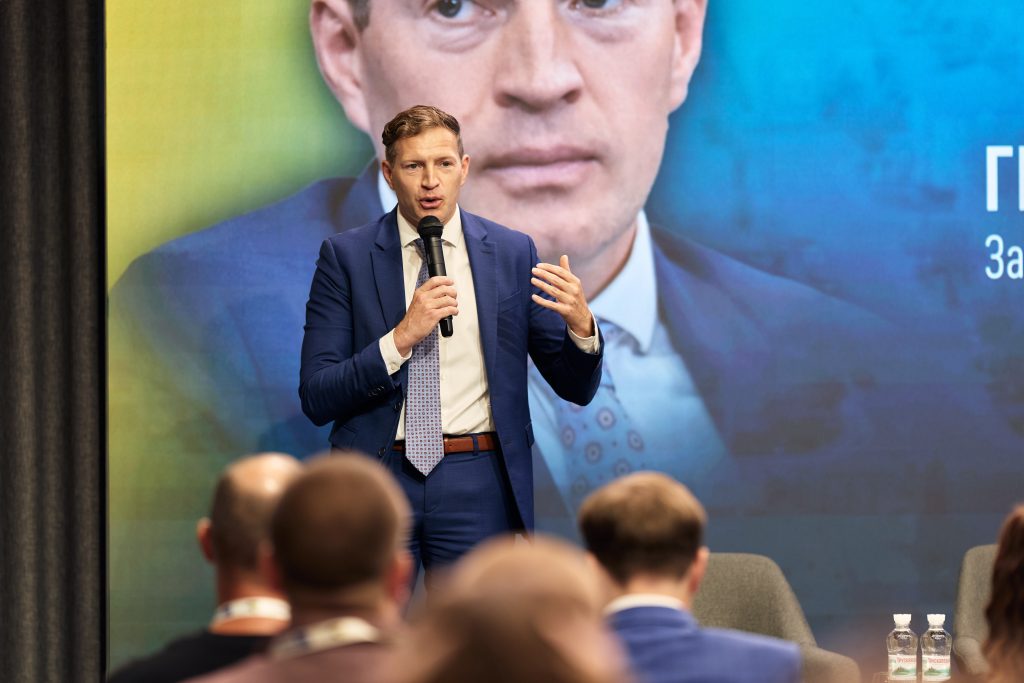
Opening the forum, We Build Ukraine founder Oleksandr Kubrakov stressed that the outcome would depend first and foremost on Ukraine itself.
“In every area, there is homework that we have to do. No one will do it for us,” said Oleksandr Kubrakov, founder of We Build Ukraine.
Accession Will Not Take Place Only in Kyiv and Brussels
European integration is often seen as a negotiation process between the Ukrainian government and EU institutions. However, a significant proportion of European rules will have to be implemented in cities, towns and villages.
During the opening of the forum, Deputy EU Ambassador to Ukraine Gediminas Navickas emphasised that this process depends on the entire country.
“Accession to the European Union is decided not in Brussels or Kyiv, but across the entire country,” said Gediminas Navickas, Deputy EU Ambassador to Ukraine.
According to data from the European Committee of the Regions presented during the first panel, up to 70% of decisions related to European integration are implemented at the local and regional levels. More than half of the 35 negotiating chapters directly or indirectly concern local authorities.
“Seventy per cent of decisions related to European integration are implemented at the local and regional levels,” stressed Olena Shuliak, Chair of the relevant Verkhovna Rada Committee.
The central government may adopt a law, but communities will have to translate it into improved water quality, roads, public transport and municipal services.
If a community lacks the funding, people or administrative capacity to fulfil its new obligations, central authorities may begin taking over the relevant functions. In this way, gradual recentralisation would become not a declared policy, but a response to weakness at the local level.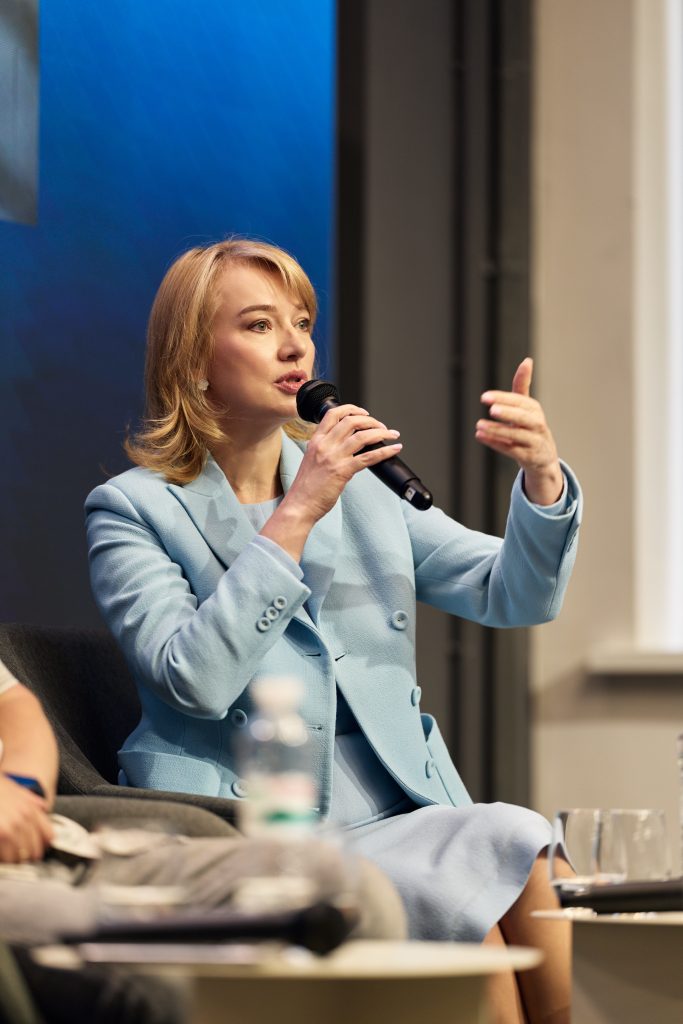
Not Every Community Will Receive Funding
The experience of countries that have already joined the EU demonstrates the scale of the opportunities available. At the same time, European funding comes with clear rules, oversight and accountability.
Ukrainian communities will have to modernise wastewater treatment facilities, close unauthorised landfills, create modern waste-management infrastructure, improve energy efficiency and rethink transport planning.
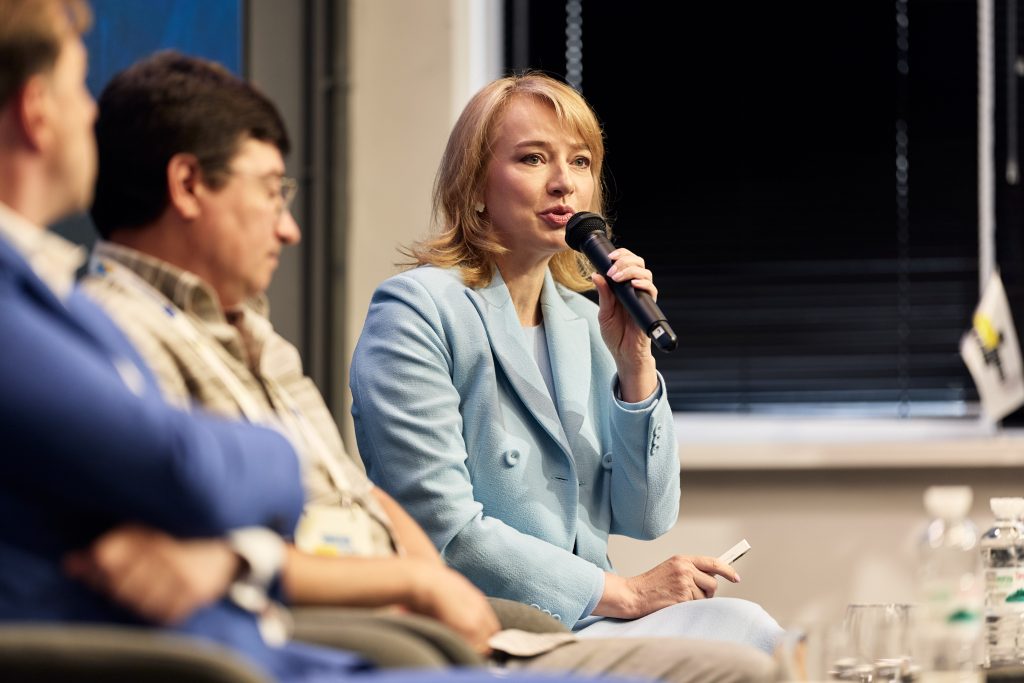
European funds will therefore not operate as an automatic payment to every community. Priority will be given to those capable of identifying their priorities, preparing the necessary documentation, securing co-financing and managing projects transparently.
During the first panel, economist Andrii Dligach called on communities to think in terms of projects of a different scale and not to postpone change until the war is over.
“At the community level, we must learn to work with large-scale projects and to dream big,” said Andrii Dligach, economist and founder of Advanter Group.
Communities Are Responding to the Crisis While Building the Future
The forum’s second panel focused on partnership and leadership as the foundations for community transformation. Participants discussed solutions that are already being implemented locally.
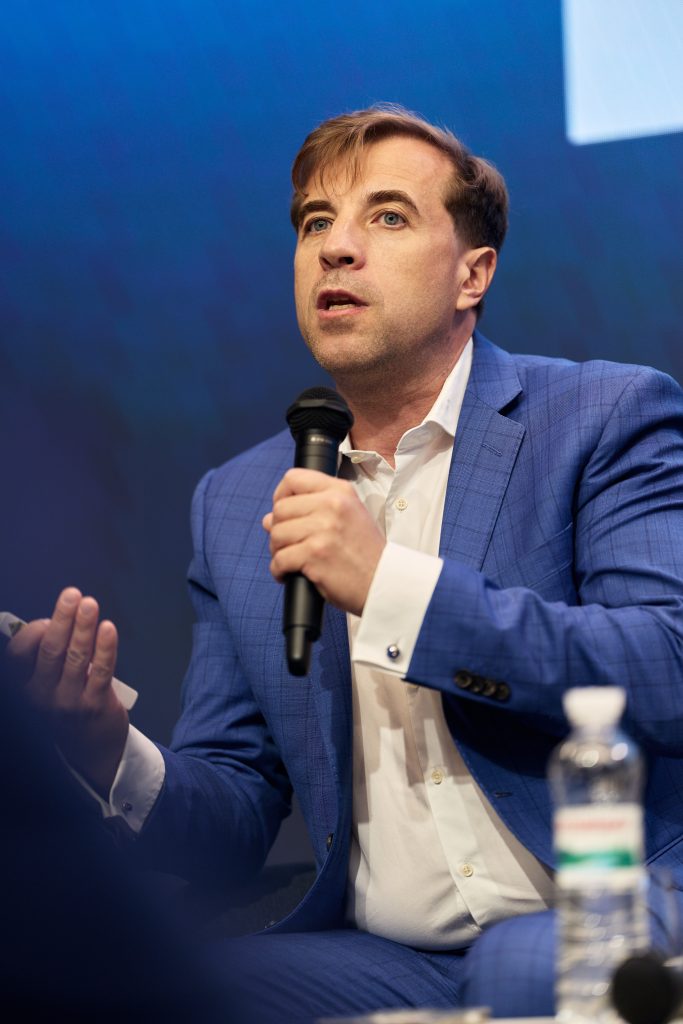
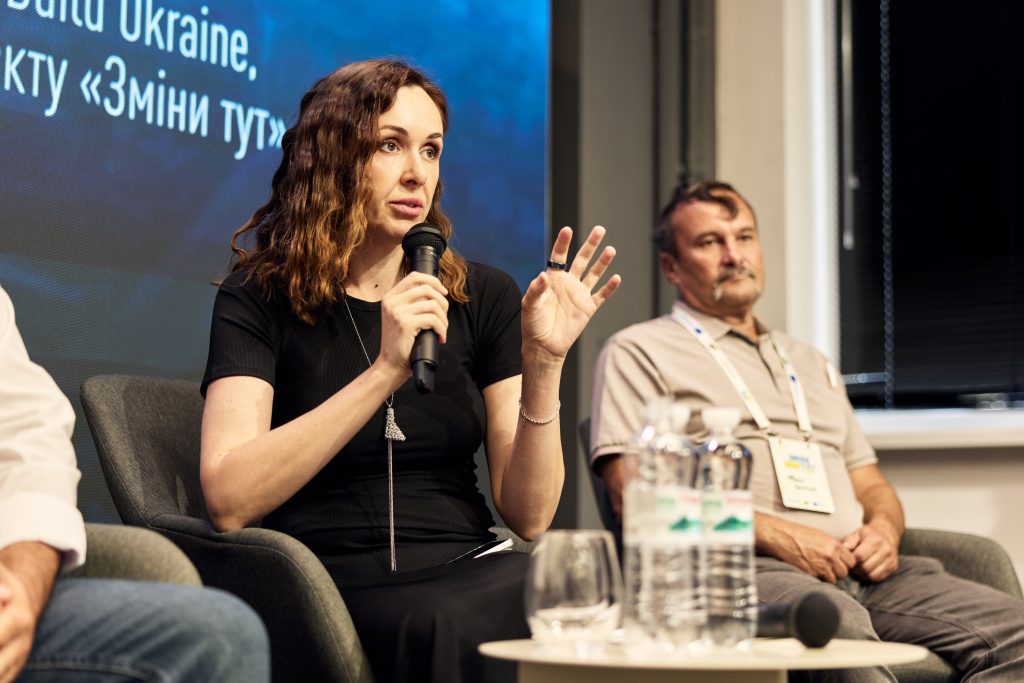
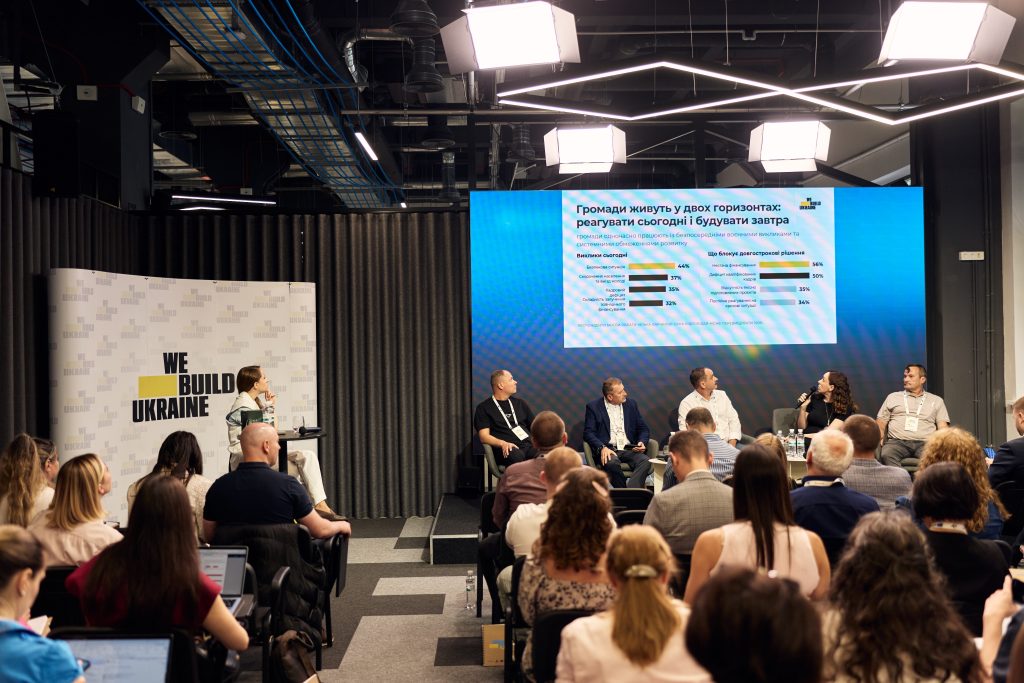
Presenting the results of a survey conducted among participants in the “Зміни Тут” programme, We Build Ukraine co-founder Anna Yurchenko highlighted the dual burden facing local government.
“Ukrainian communities live across two time horizons: they respond to today’s challenges while simultaneously trying to build tomorrow,” said Anna Yurchenko, co-founder of We Build Ukraine.
Participants identified insufficient funding, staff shortages and the absence of well-prepared projects as the main barriers to development. At the same time, strong leadership requires a team, a clear division of responsibility and cooperation with businesses and civil society.
Practical Solutions Are Already Working
During the second panel, community leaders presented case studies involving data, assets, energy, international partners and local businesses.
Drohobych used data analysis to optimise spending and developed its partnership with Kraków, ranging from professional exchanges between municipal water utilities to modern network diagnostics.
The Dolynska community brought neglected assets back into economic use, conducted an inventory and attracted Ukrainian businesses. The Shumska community increased local revenues by bringing land use out of the shadow economy, strengthening its team and working with international programmes.
These communities have different resources, but they share a common approach: rather than waiting for ready-made solutions from above, they worked independently with data, assets, personnel and partners.
This track record of completed projects will influence a community’s ability to obtain European funding. Partners assess not only the application, but also the community’s reputation, the transparency of its decisions and the team’s capacity to deliver results.
Investors Are Looking for More Than Profit
During the third panel, participants discussed a new social contract and the conditions required to attract private capital.
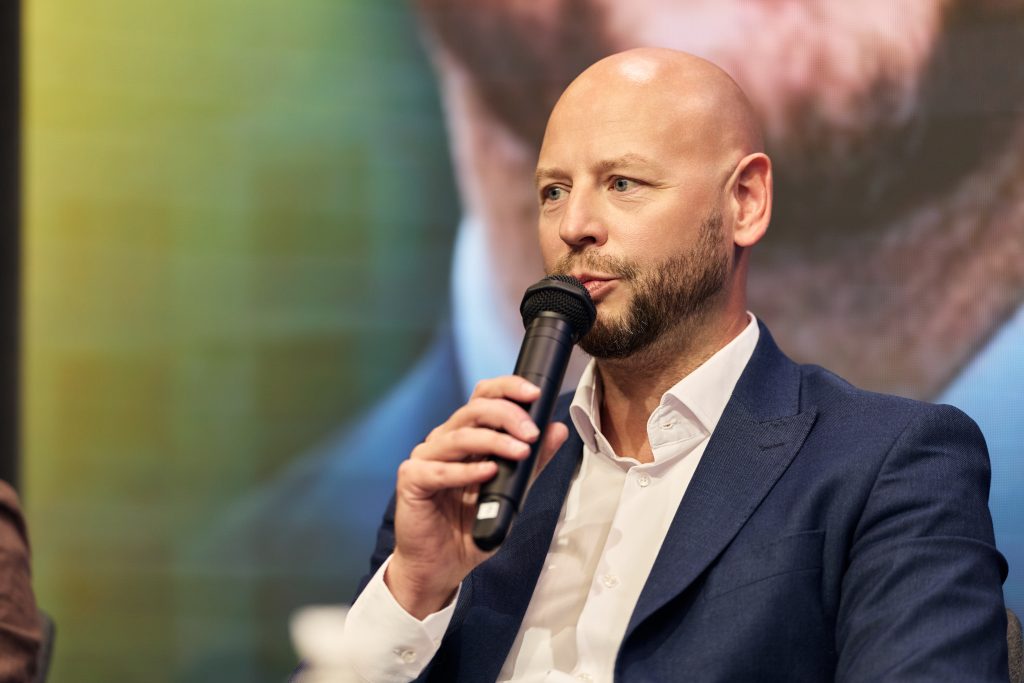
Kyrylo Bondar stressed that high returns cannot compensate for unclear rules and unpredictability.
“There are diamonds, malaria and crocodiles in Congo, and you can earn ten thousand per cent. Would you go? Neither would I,” said Kyrylo Bondar, Partner and CFO at UNIT.City and Partner at Ukraine Phoenix Tech Fund.
“Money is not looking for profit. Money is looking for a vision of the future,” said Kyrylo Bondar.
For communities, this means that attracting investment will depend on more than land, resources or geography. An investor must be able to see clear rules, consistent decision-making and reliable institutions.
Dmytro Dienkov stressed that businesses emerging from the shadow economy must be provided with genuine guarantees.
“A business that comes out of the shadow economy must receive ironclad protection of its property rights,” said Dmytro Dienkov, a serviceman with the Khartiia Brigade and an editor at Ekonomichna Pravda.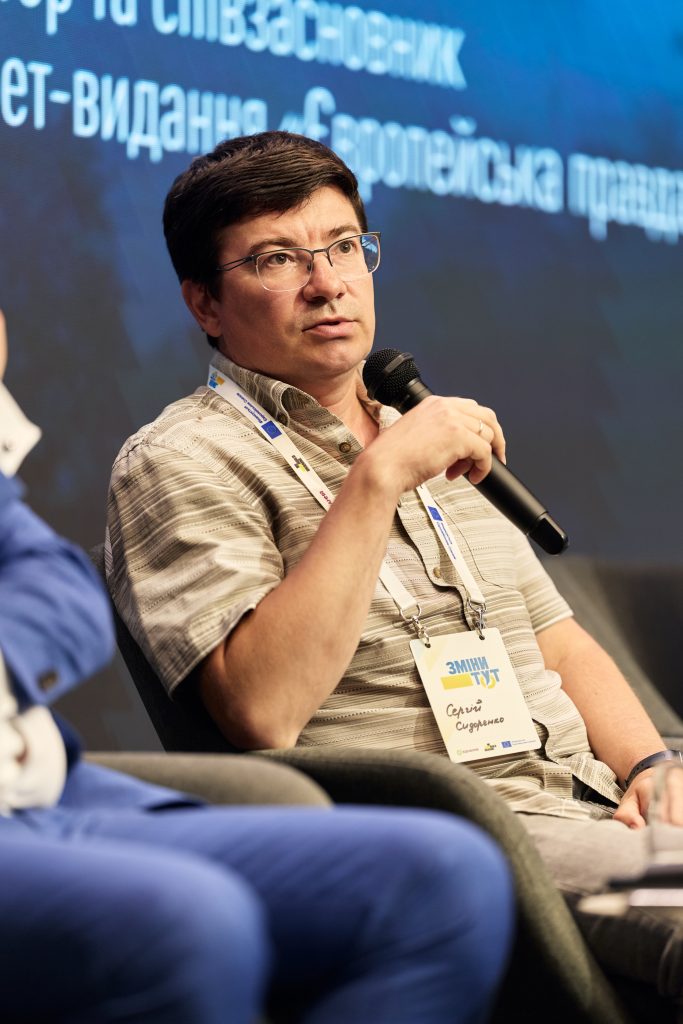
Trust Emerges Where There Are Results
Another subject discussed during the third panel was the role of civil society in relations between citizens, the state and businesses.
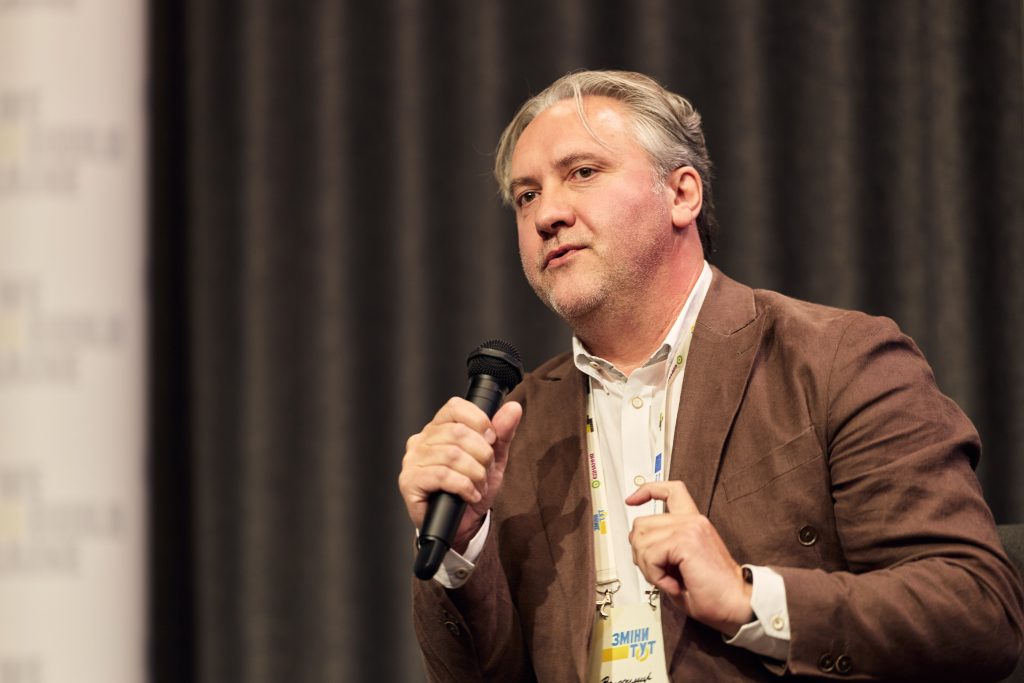
Volodymyr Sheigus, Executive Director of ISAR Ednannia, noted that during key crises, Ukrainians did not wait for ready-made solutions.
“People did not wait for someone else to do something. People united and joined the struggle,” stressed Volodymyr Sheigus, Executive Director of ISAR Ednannia.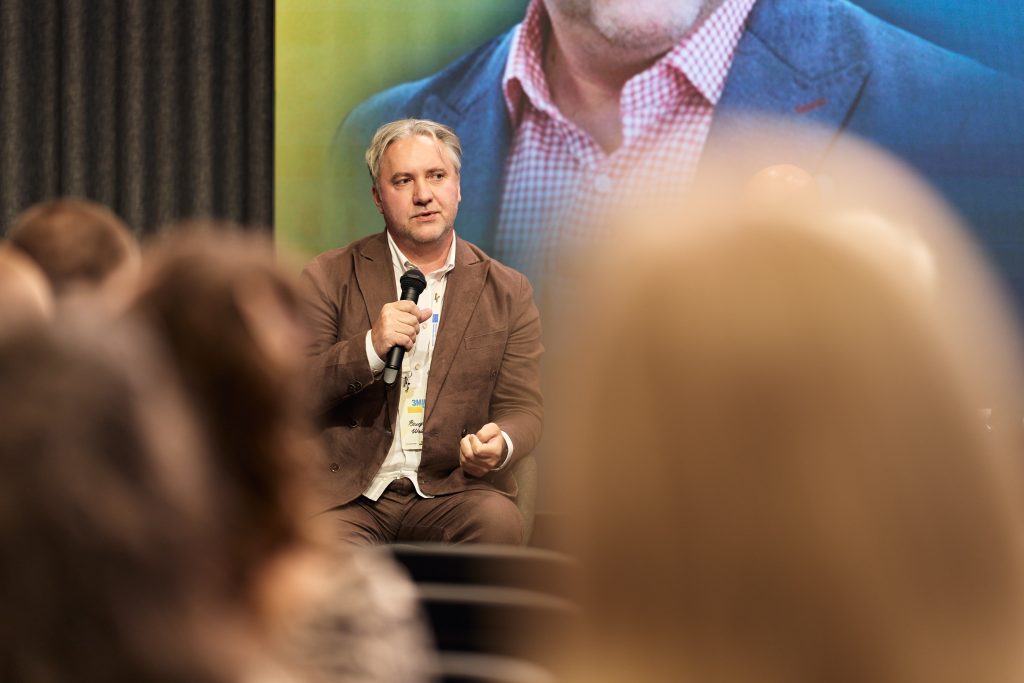
People’s ability to unite and deliver results explains the high level of trust in volunteers and civil society organisations. However, this resource should not replace strong national and local institutions.
Olga Rudenko, Editor-in-Chief and co-founder of The Kyiv Independent, said that Ukraine already has a foundation for revisiting its social contract.
“We have a very strong foundation for revisiting the social contract. We have a story about ourselves,” said Olga Rudenko.
This concerns a shared understanding of who Ukrainians are and what they are prepared to unite around. However, this resilience must be transformed into rules, institutions and predictable cooperation.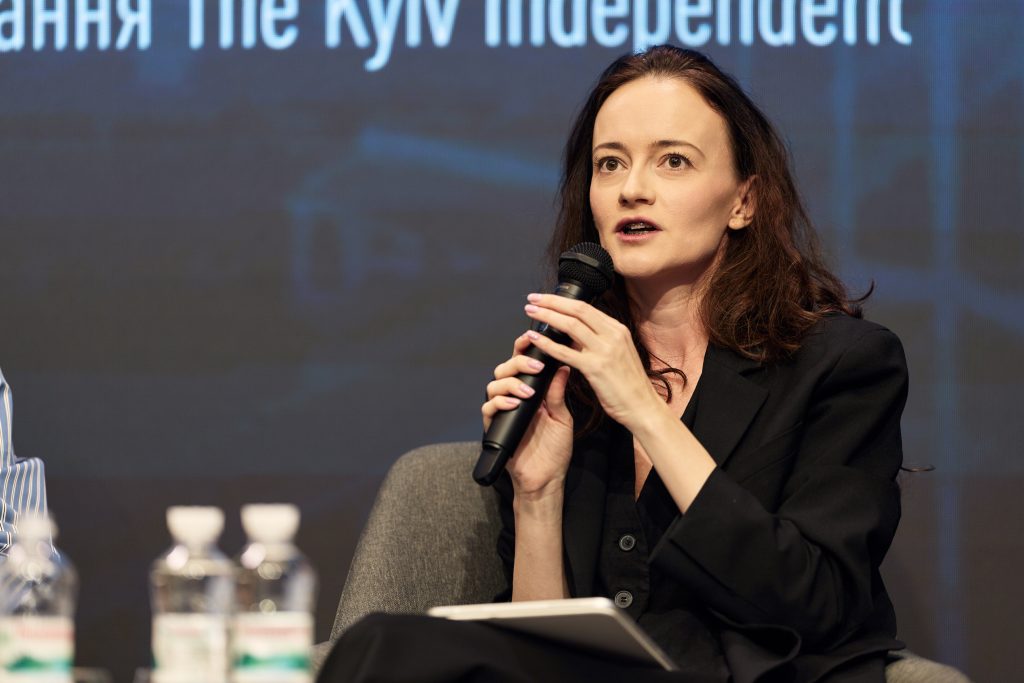
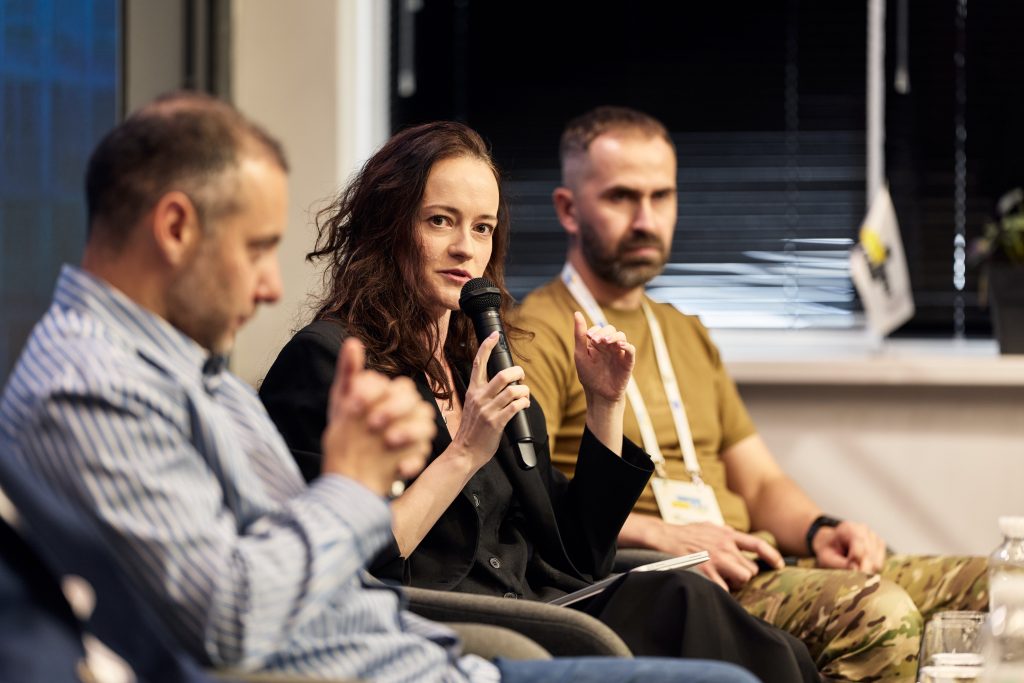
European Integration Requires Faith, but Not Blind Optimism
Another issue raised during the first panel was the risk of public disappointment due to the complexity of the European integration process.
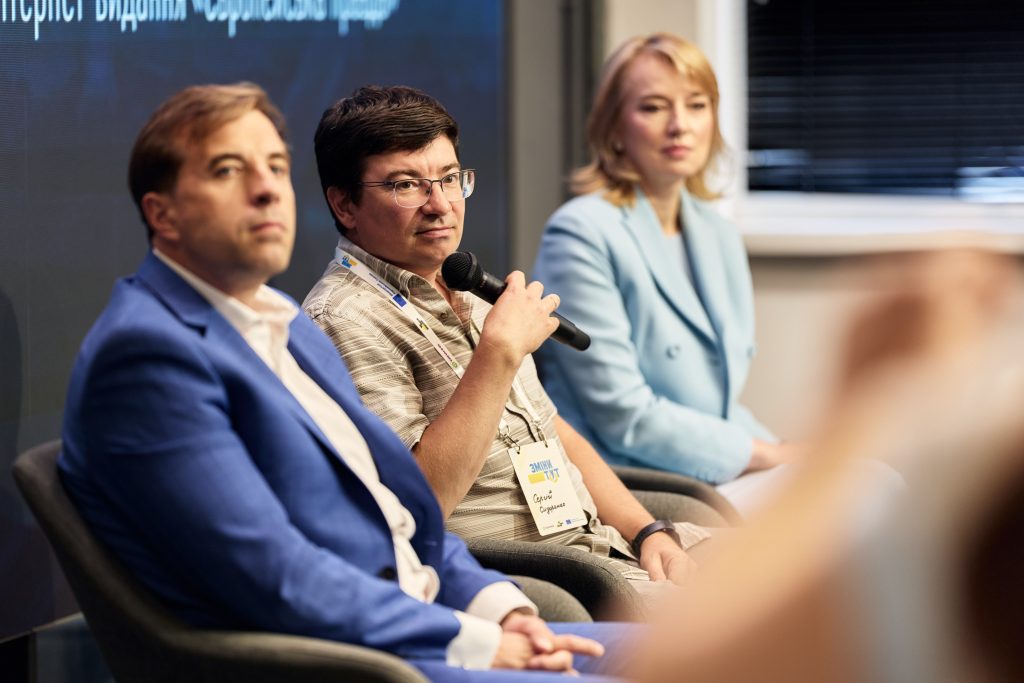
Serhii Sydorenko stressed that a loss of faith could affect people’s willingness to continue pursuing reforms.
“One of the key threats is losing faith that European integration will actually happen,” said Serhii Sydorenko, editor and co-founder of European Pravda.
Ukraine has already experienced similar periods during the conclusion of the Association Agreement and the process of obtaining visa-free travel.
“We know how to convince ourselves that we will not succeed. And then we succeed. Every time,” emphasised Serhii Sydorenko.
Faith in the outcome must not replace preparation. It should sustain the willingness to do the necessary work, even when the path proves longer and more difficult than expected.
State Resilience Begins with Shared Responsibility
Participants in the first panel also discussed relations between the military, the state and society.
“The Ukrainian army is not only the army of its commanders. It is the army of the entire society,” said Kyrylo Veres, commander of the 20th Separate Unmanned Systems Brigade “K-2”.
This statement concerns not only support for the Defence Forces, but also the responsibility of the state and communities for their treatment of veterans and for maintaining the connection between the frontline and civilian life.
Preparation Must Begin Before Accession
European integration will amplify both the strengths and weaknesses of local government. For capable communities, new funds will accelerate development. For others, they may remain inaccessible or increase their dependence on the central government.
Communities must therefore begin assessing their staffing capacity, reviewing their strategies, identifying several realistic priorities and developing a portfolio of well-prepared projects now.
The main test of European integration will not take place when another negotiating cluster is opened. It will begin when a particular community has to modernise its water utility, overhaul its waste-management system, attract an investor or explain a difficult decision to its residents.