
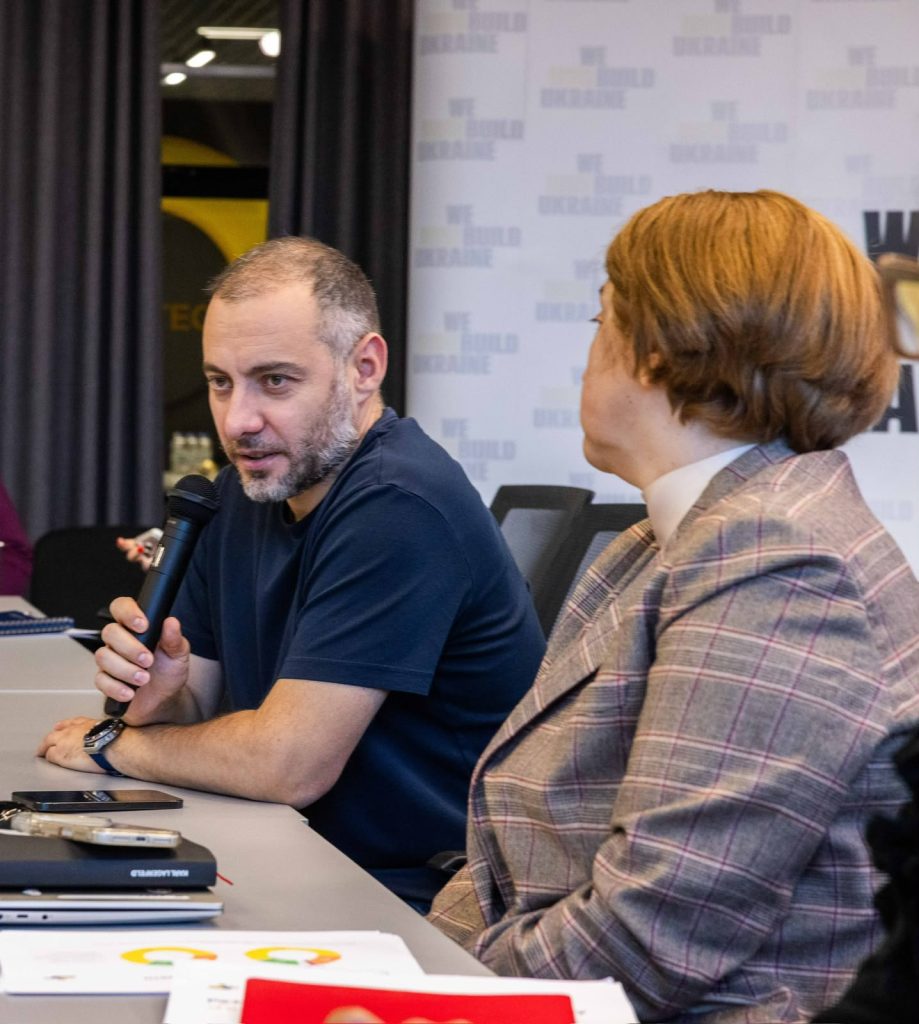
The discussion brought together representatives of communities, national and local authorities, Parliament, international organizations, civil society, and the expert community.
Speakers included:
Oleksandr Kubrakov — Founder of We Build Ukraine;
Olena Shuliak — Chair of the Verkhovna Rada Committee on State Building, Local Governance, Regional Development and Urban Planning;
Andrii Herus — Chair of the Verkhovna Rada Committee on Energy, Housing and Utilities;
Andrii Stashkiv — Deputy Head of the Kyiv Regional Military Administration;
Kyrylo Fesyk — Deputy Minister for Development of Communities and Territories of Ukraine;
Petro Panteleiev — Deputy Head of the Kyiv City State Administration;
Ivan Slobodianyk — Executive Director of the All-Ukrainian Association of Communities;
Volodymyr Sheyhus — Executive Director of ISAR Ednannia;
Dmytro Cheichuk — Deputy Mayor of Bucha;
Vasyl Morskyi — Deputy Mayor of Bila Tserkva.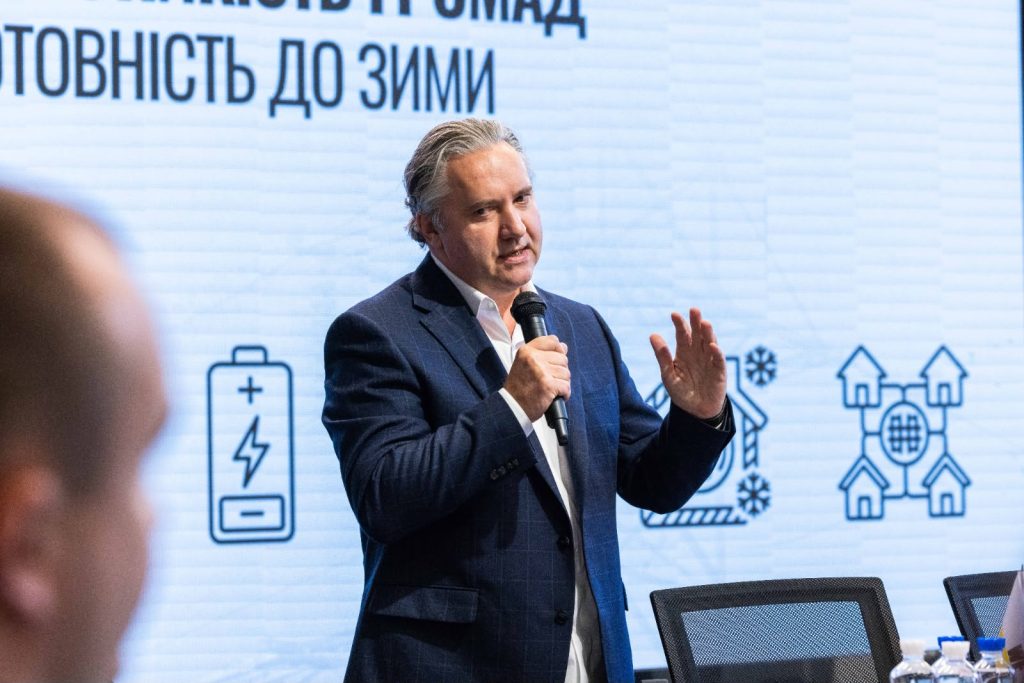

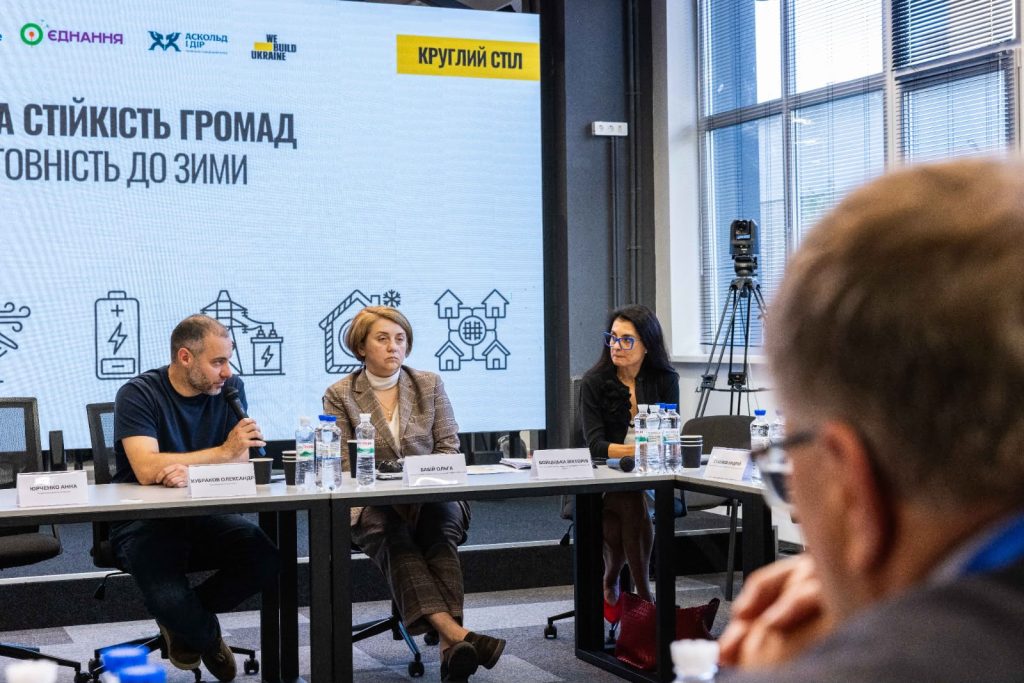
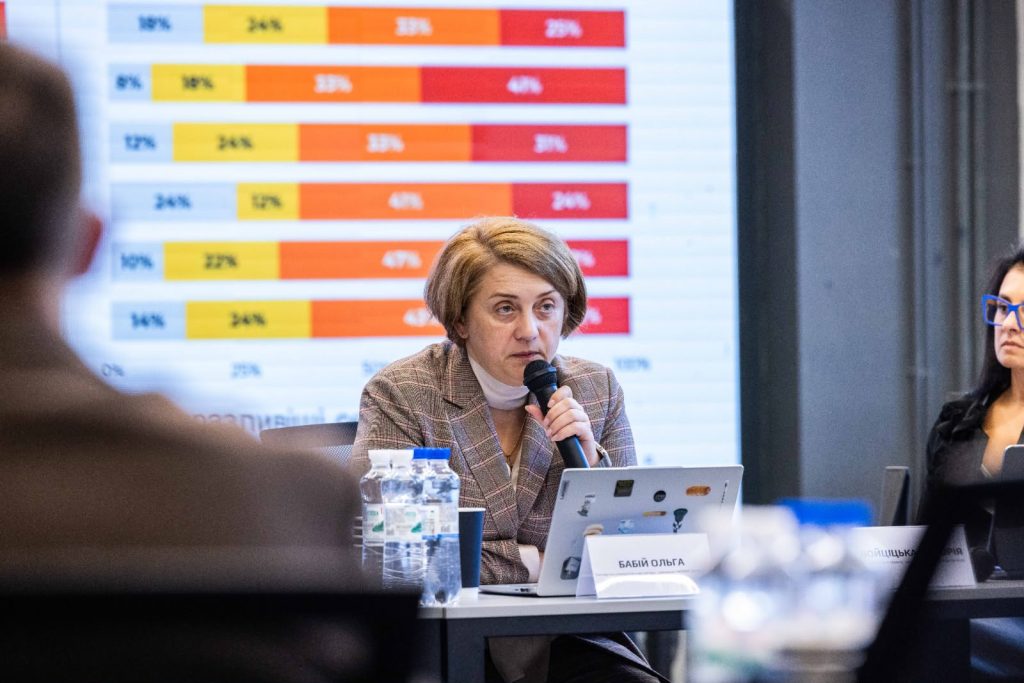
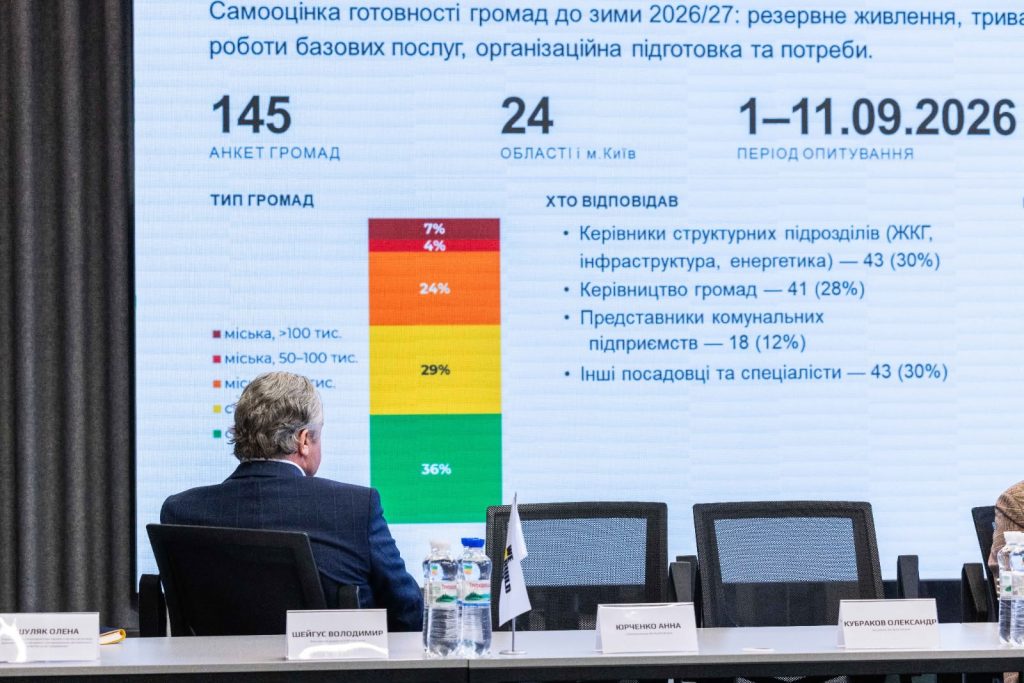
The survey findings were presented by project experts Victoria Voytsitska, Project Coordinator and Member of the Supervisory Board of We Build Ukraine, and Olha Babii, energy expert and former member of the National Energy and Utilities Regulatory Commission (NEURC) in 2019–2024.

The findings showed that communities have a low level of readiness for winter, while many of the key challenges are recurring across different communities.
👉 Only 14% of communities consider themselves fully prepared for prolonged disruptions to electricity, heating, and water supply. At the same time, 34% would be unable to maintain at least one of the nine critical categories of facilities and services even for 24 hours.
👉 Water supply and wastewater services remain a particular challenge. 36% of communities would be able to maintain these services for no more than 24 hours or would be unable to provide them at all. Among large cities, this figure reaches 50%.
👉 Backup power does not guarantee full autonomy either. In 28% of communities, backup power covers no more than half of critical facilities, while only 4% would be able to maintain all nine categories of services for more than 72 hours.
👉 At the same time, 78% of communities do not have sufficient fuel reserves. Fuel for generators and boiler facilities was the most frequently cited support need, identified by 48% of communities. Donor funding and equipment ranked second, each cited by 43%.
👉 Another challenge is the lack of practical emergency drills. Only 8% of communities have conducted comprehensive joint exercises with the State Emergency Service, police, and other services. 59% have either not conducted such drills or are only planning them.
👉 Only 12% of communities are confident that they would be able to independently support all vulnerable population groups in the event of prolonged disruptions.
Oleksandr Kubrakov emphasized the importance of practical preparedness:
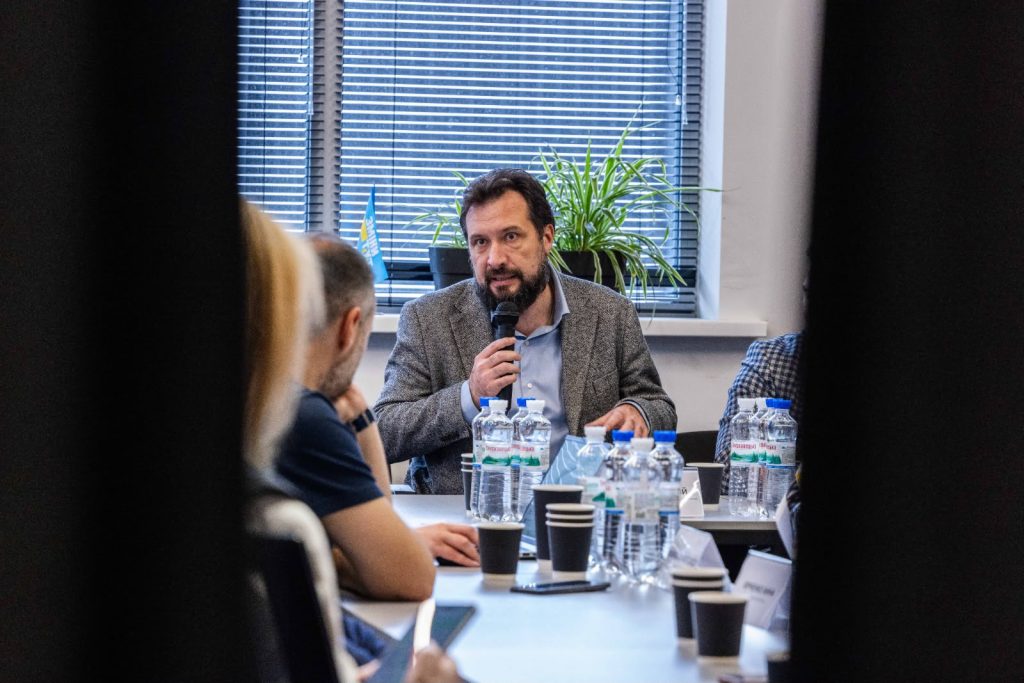
“On the positive side, we will definitely be better prepared for this winter than for any previous one, simply due to objective circumstances. We have more generators than before, more protective infrastructure has been built than before — more, more, more.”
At the same time, he stressed that communities need to prepare for the most difficult scenarios:
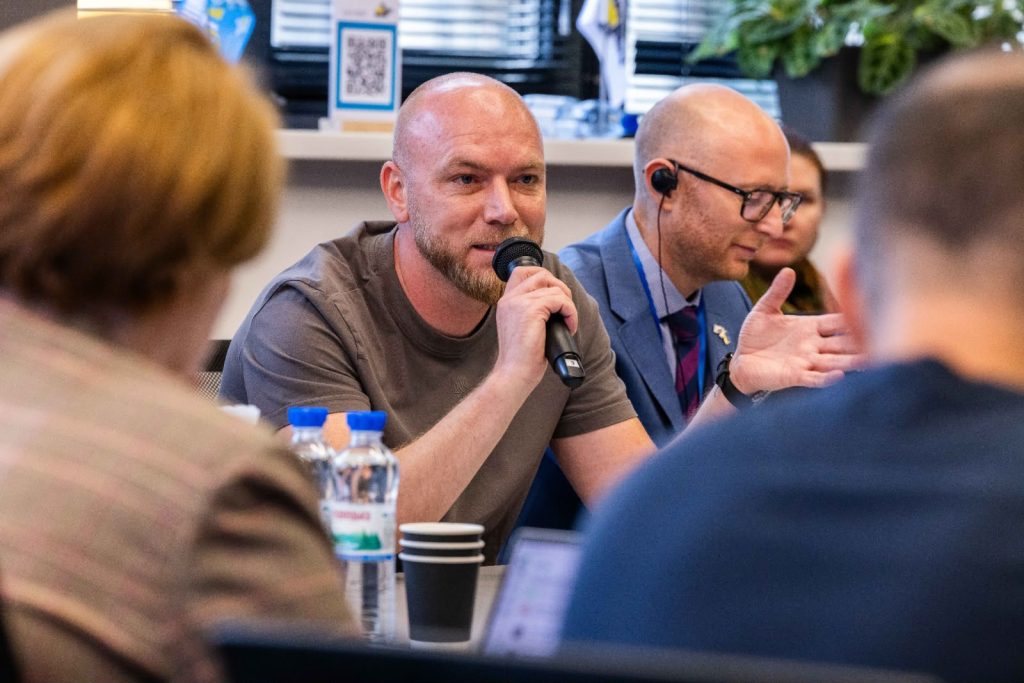
“But there remains a significant factor of uncertainty. That is why we are preparing for the worst-case scenarios that were also discussed today. We need to be prepared for them as well.”
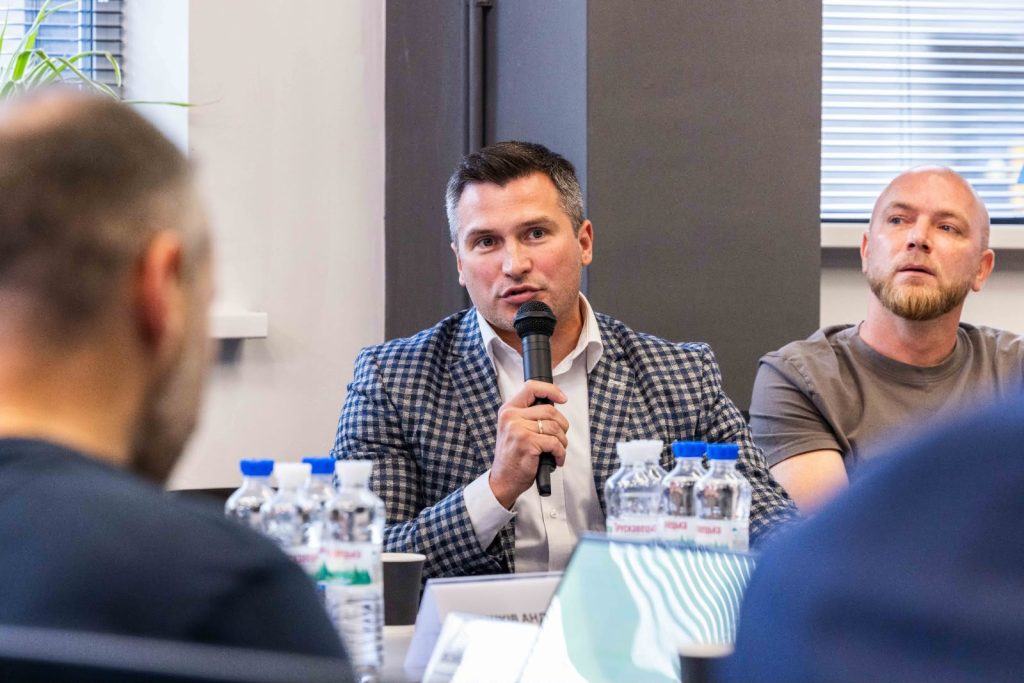
“It is important for us to understand how we can also be useful to communities through our work. That is why we not only support various initiatives and projects of civil society organizations, but are already planning our own programs that could at least partially help people and organizations prepare for winter and get through it,” said Volodymyr Sheyhus.
The survey was the first stage of a broader study. The next stage will focus on the technical readiness of communities, including the state of backup power systems, power generation, water and heat supply, fuel reserves, equipment, and maintenance capacity.
For We Build Ukraine, it is important that the findings of this study serve as a basis for concrete solutions and better coordination between the government, communities, businesses, international partners, and civil society.