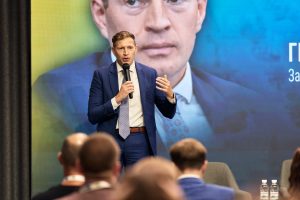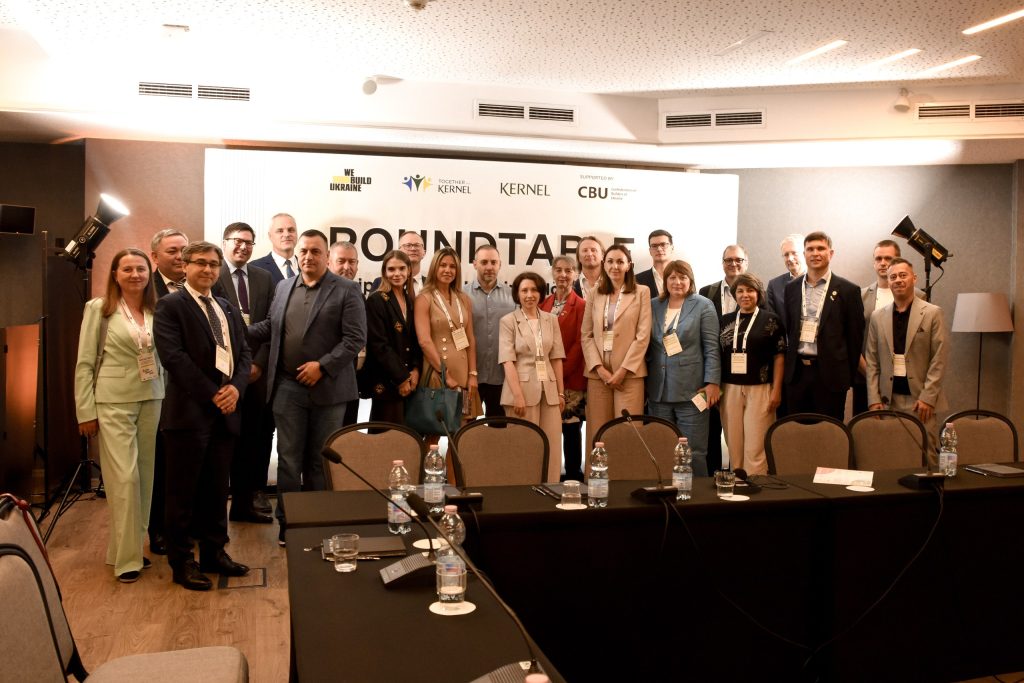
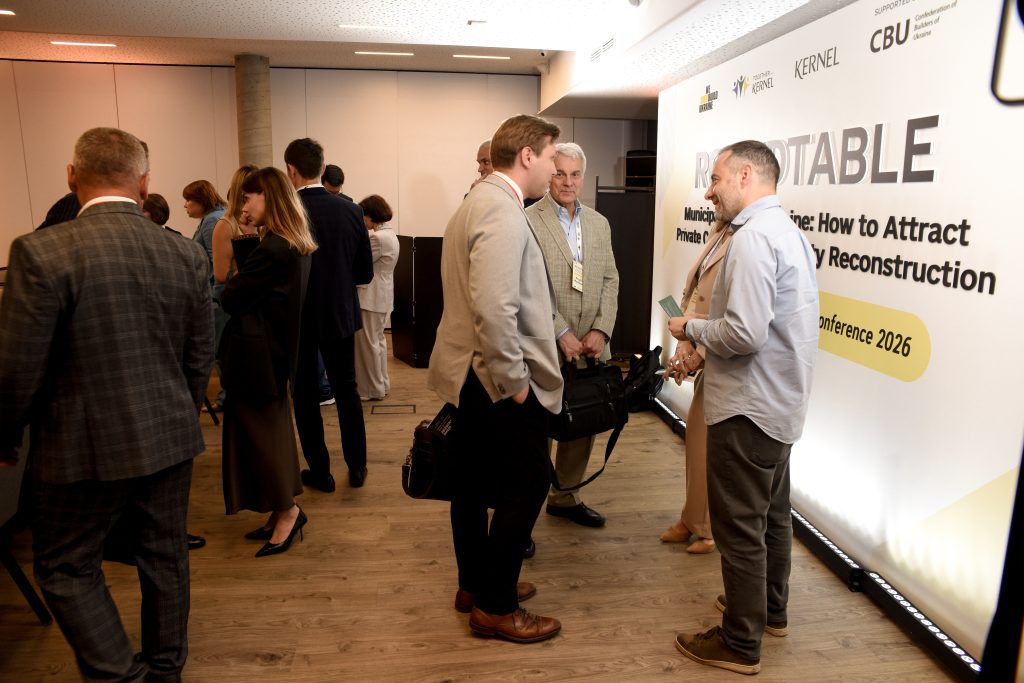
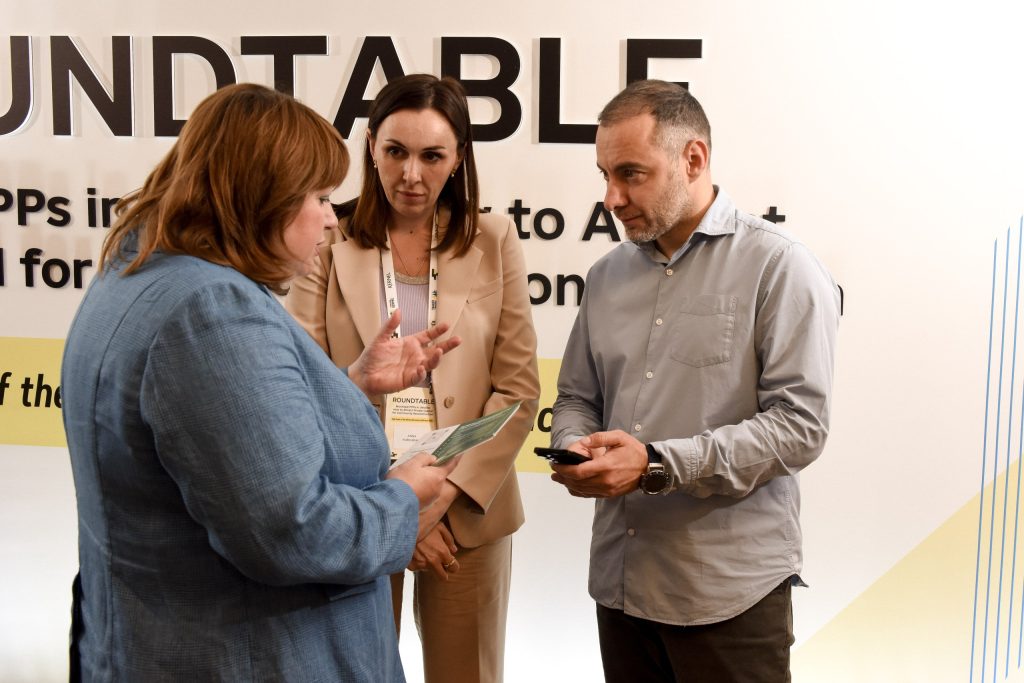
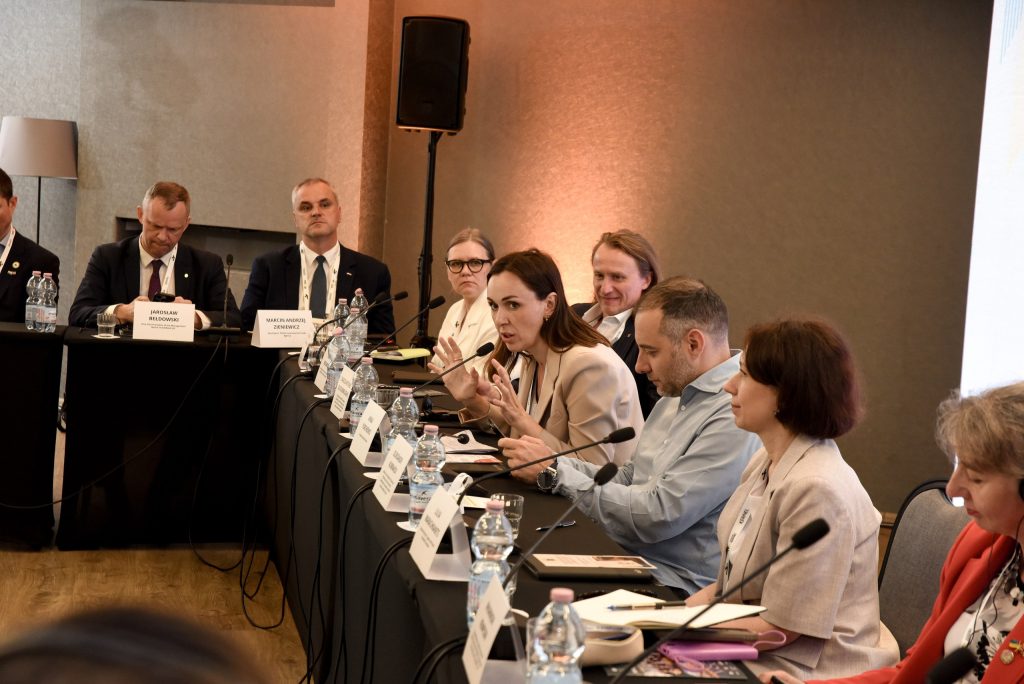
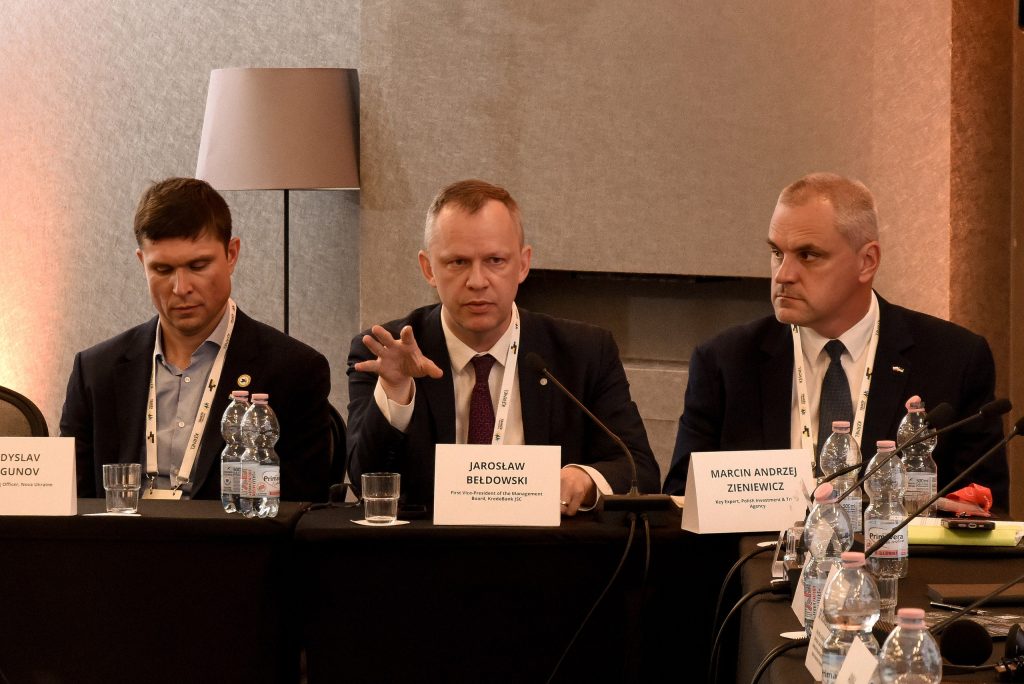
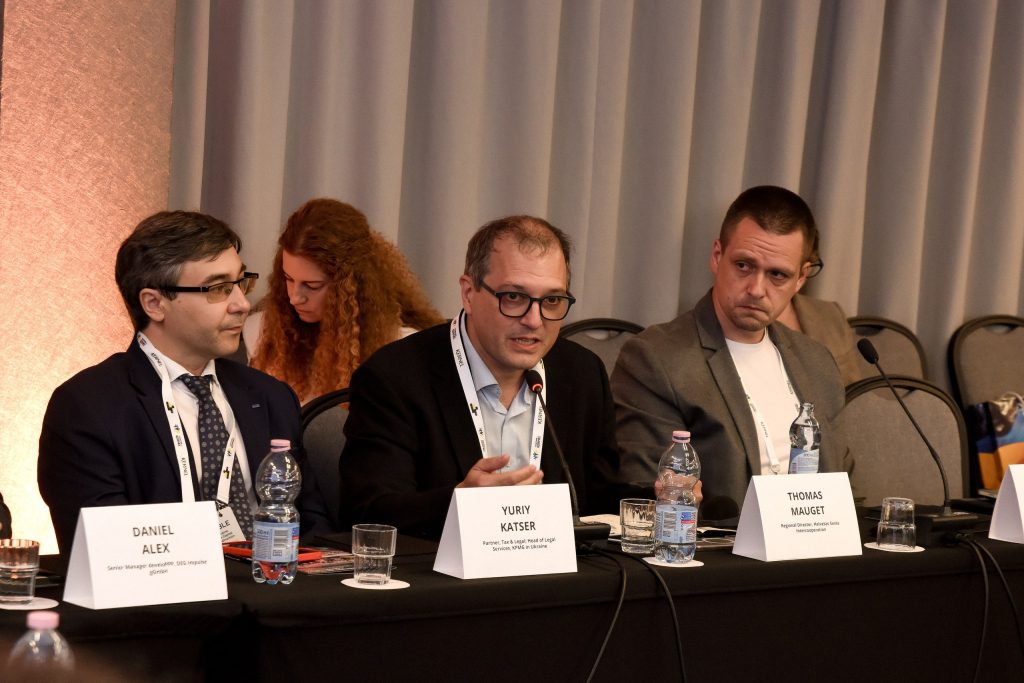
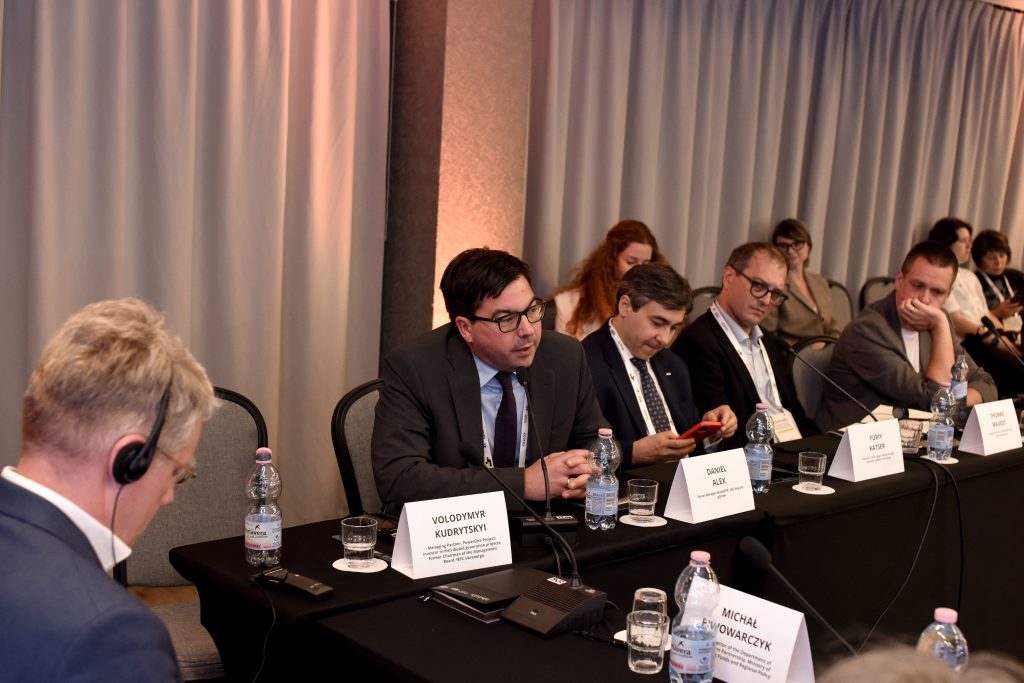
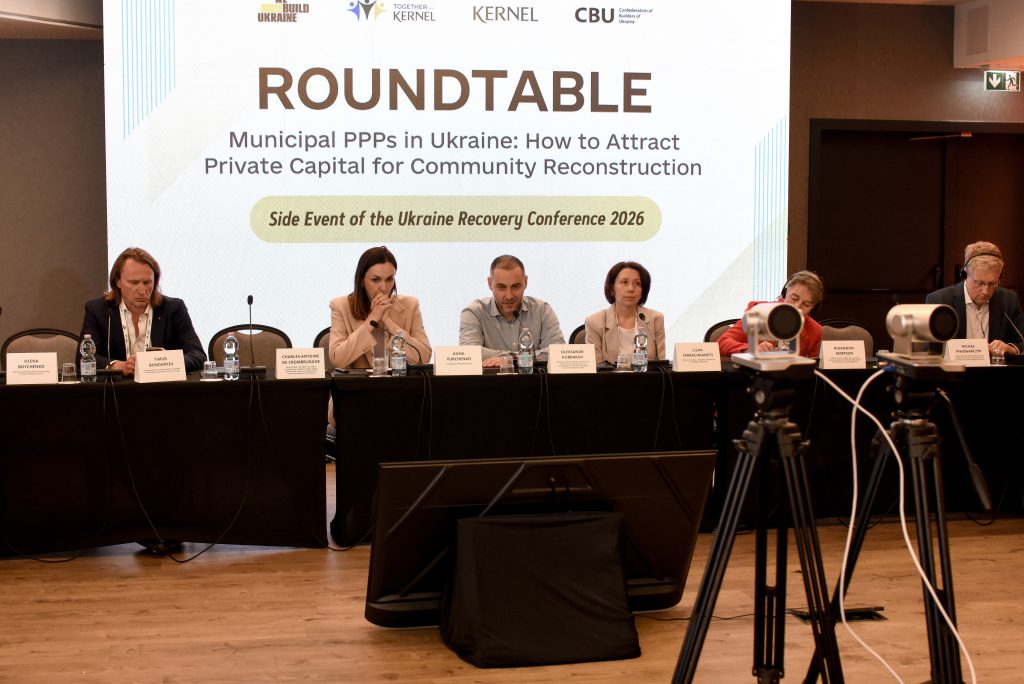
The discussion brought together representatives of national and local authorities, businesses, international financial institutions, experts, and local communities.
The speakers included Oleksandr Kubrakov, Advisor to the President of Ukraine on Infrastructure and Community Relations and Co-founder of We Build Ukraine; Liliia Marachkanets, Director of the Together with Kernel Charitable Foundation; Charles de Crombrugghe, Lead for Energy, Capital Markets and Insurance Workstreams within the Ukraine Investment Framework; Anna Yurchenko, Co-founder of We Build Ukraine; Lev Partskhaladze, President of the Confederation of Builders of Ukraine; Ivan Slobodyanyk, Executive Director of the All-Ukrainian Association of Communities; Volodymyr Kudrytskyi, Managing Partner at PowerOne and investor in distributed generation projects; Dmytro Bespalov, Director of Pro Mobility; and other participants.
According to RDNA5 estimates, Ukraine’s recovery needs have already reached $588 billion. At the same time, We Build Ukraine’s analysis indicates that a significant share of the sectors requiring reconstruction could potentially be developed through private investment using public-private partnership mechanisms. These include transport, energy, housing, water supply, municipal infrastructure, education, and healthcare.
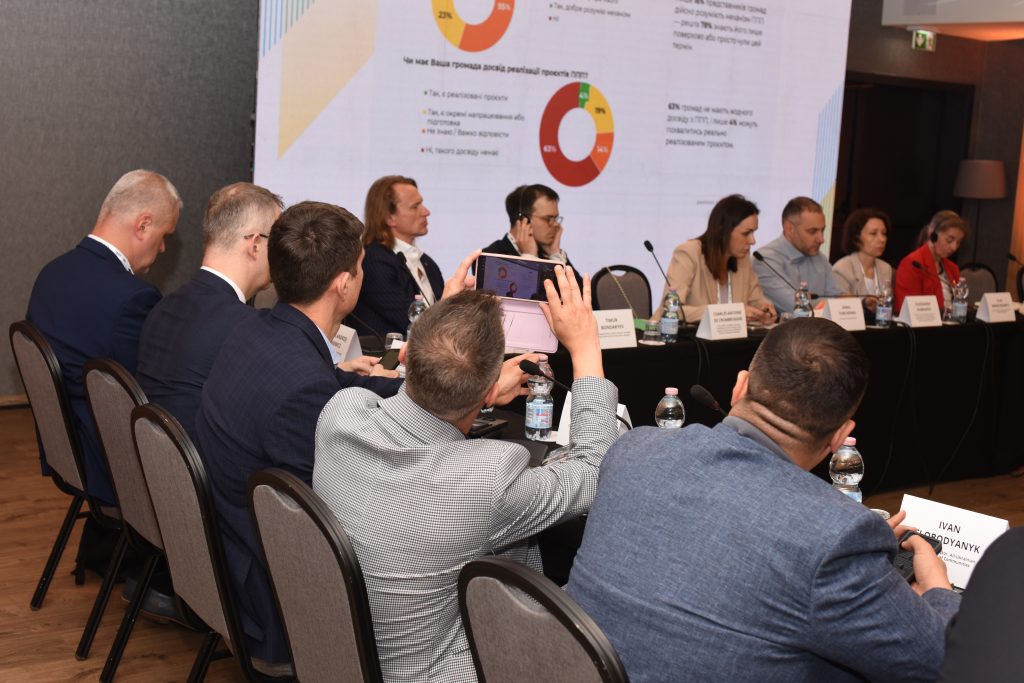
During the roundtable, the We Build Ukraine team presented the results of its research on the state of PPP development in Ukraine. The study analyzed more than 20,000 projects registered in the DREAM system, with a total value exceeding €152 billion, surveyed 256 communities from across the country, and examined the implementation practices of existing public-private partnership agreements.
The findings showed that only 19 out of 201 signed PPP agreements are currently being implemented. Only 16% of community representatives have a strong understanding of public-private partnership mechanisms, while 63% of communities have no practical experience in implementing such projects. The key barriers remain limited awareness, a shortage of qualified professionals, wartime risks, and the complexity of project preparation.
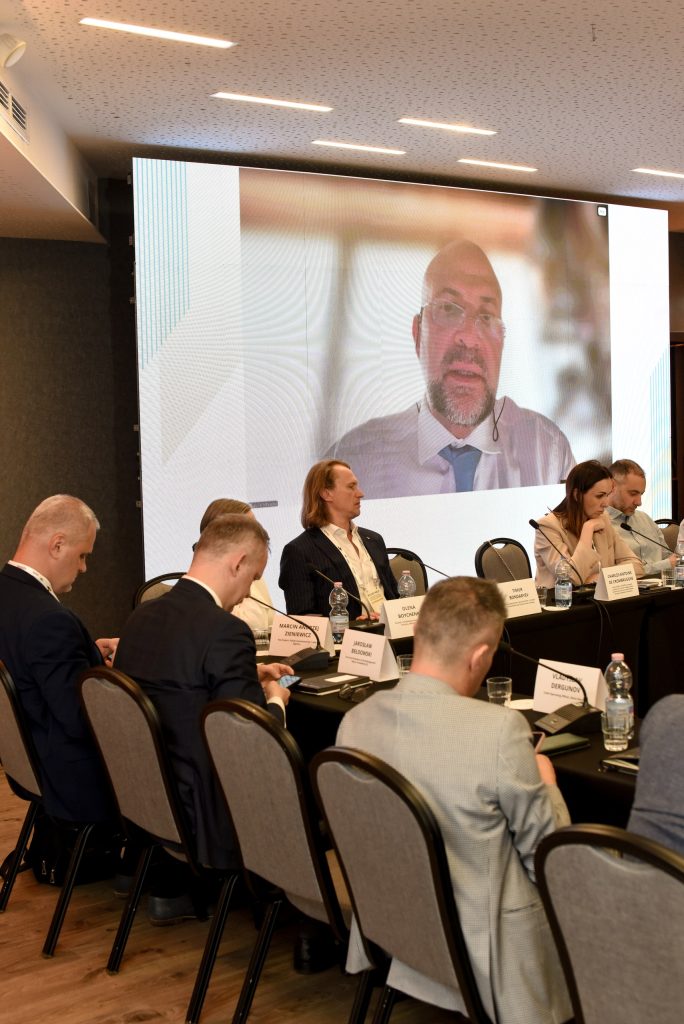
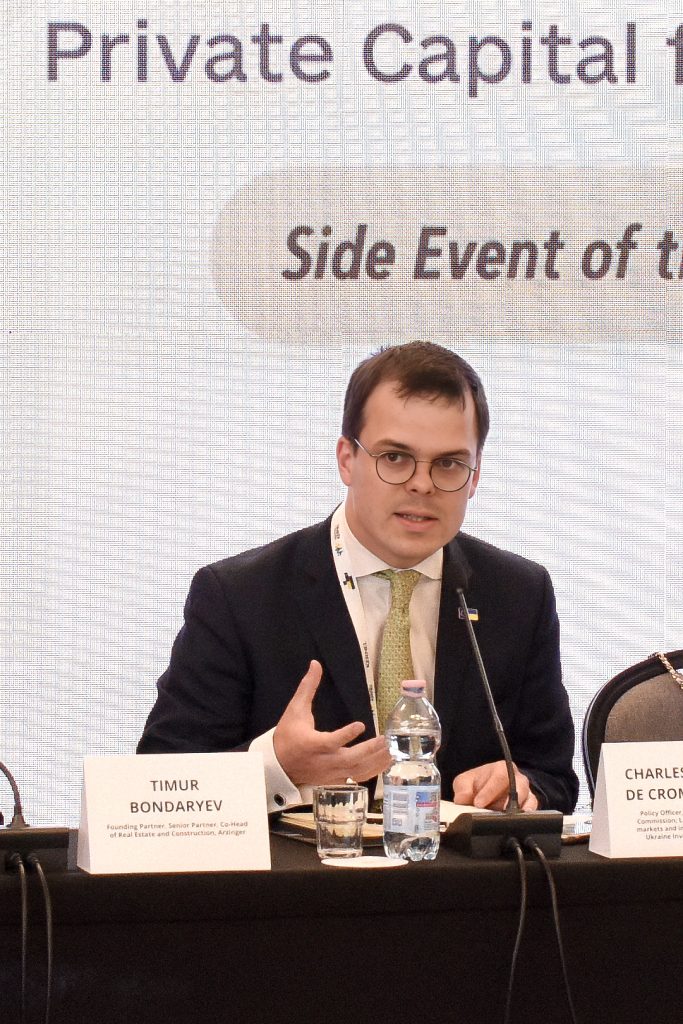
During the discussion, Oleksandr Kubrakov emphasized the importance of involving investors more actively in community development:
“Many issues can be addressed not through partner funding, loans, or budget resources, but through private investment. We are still at a very early stage in this area. It would be inaccurate to say that Ukraine has dozens or hundreds of PPP projects successfully implemented by communities. There are certain projects that meet the criteria of PPPs, and there have been relatively recent legislative changes in this field. However, the number of projects implemented under this model remains limited.”
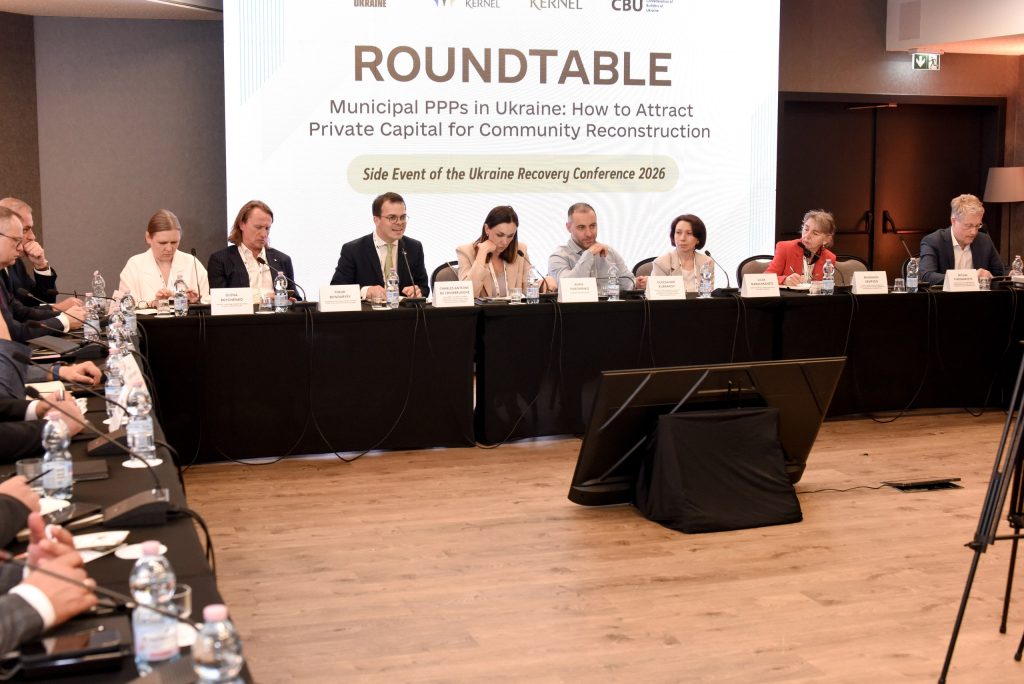
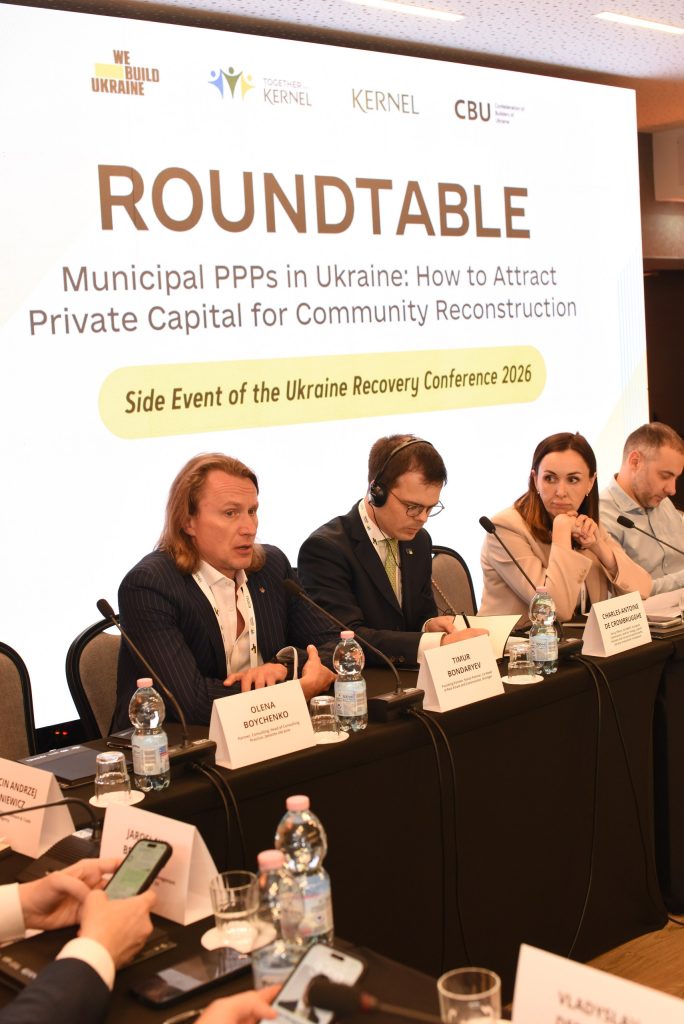
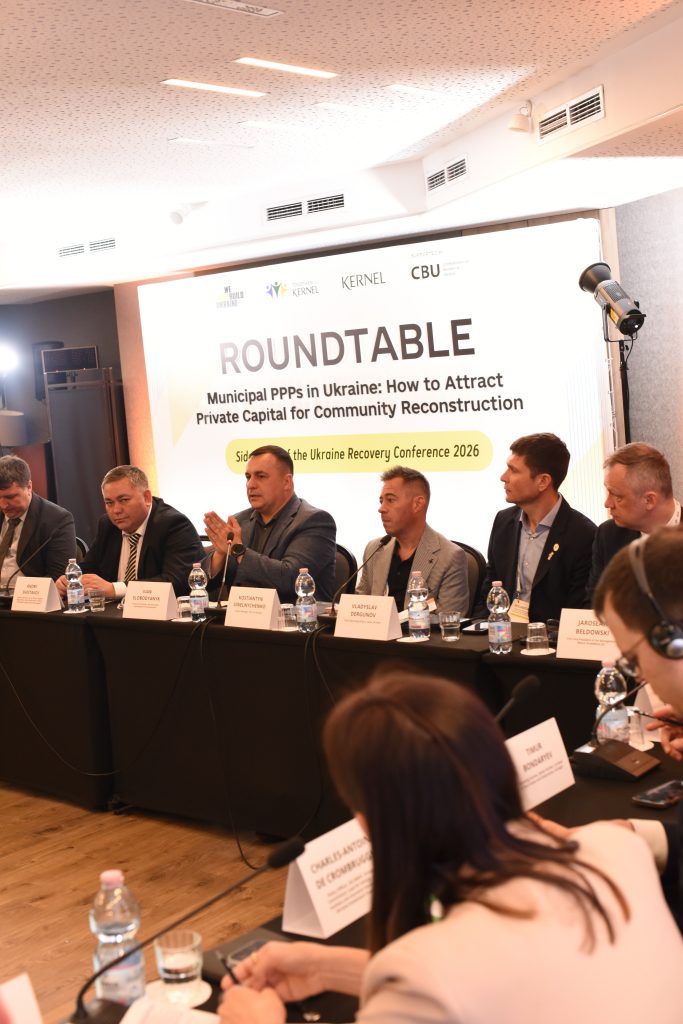
Liliia Marachkanets, in turn, highlighted the need to develop new financing models for reconstruction:
“We work with territories and bear responsibility for them. Yes, we pay taxes, and yes, we create jobs, but we clearly understand that this is not enough. The scale of reconstruction amounts to hundreds of billions of dollars, and these resources will not simply come to us. Unfortunately, neither state budgets nor municipal budgets will be sufficient, and I believe grant funding alone will not solve this challenge either. That is why we must find effective models capable of attracting private capital.”
Participants also paid particular attention to tariff policy, the preparation of high-quality projects, risk-sharing mechanisms between the state and businesses, and the role of international financial institutions in launching new investment frameworks.
The discussion confirmed that large-scale community recovery cannot rely solely on public budgets or international assistance. Building a modern public-private partnership market and creating clear and predictable rules of engagement between the state, local communities, and investors are essential prerequisites for implementing major infrastructure projects and ensuring Ukraine’s sustainable development.