The event served as a platform to discuss the role of civil society in the development of territorial communities, strengthen cooperation between NGOs, local governments, and the private sector, and explore practical tools for community engagement in strategic territorial planning.

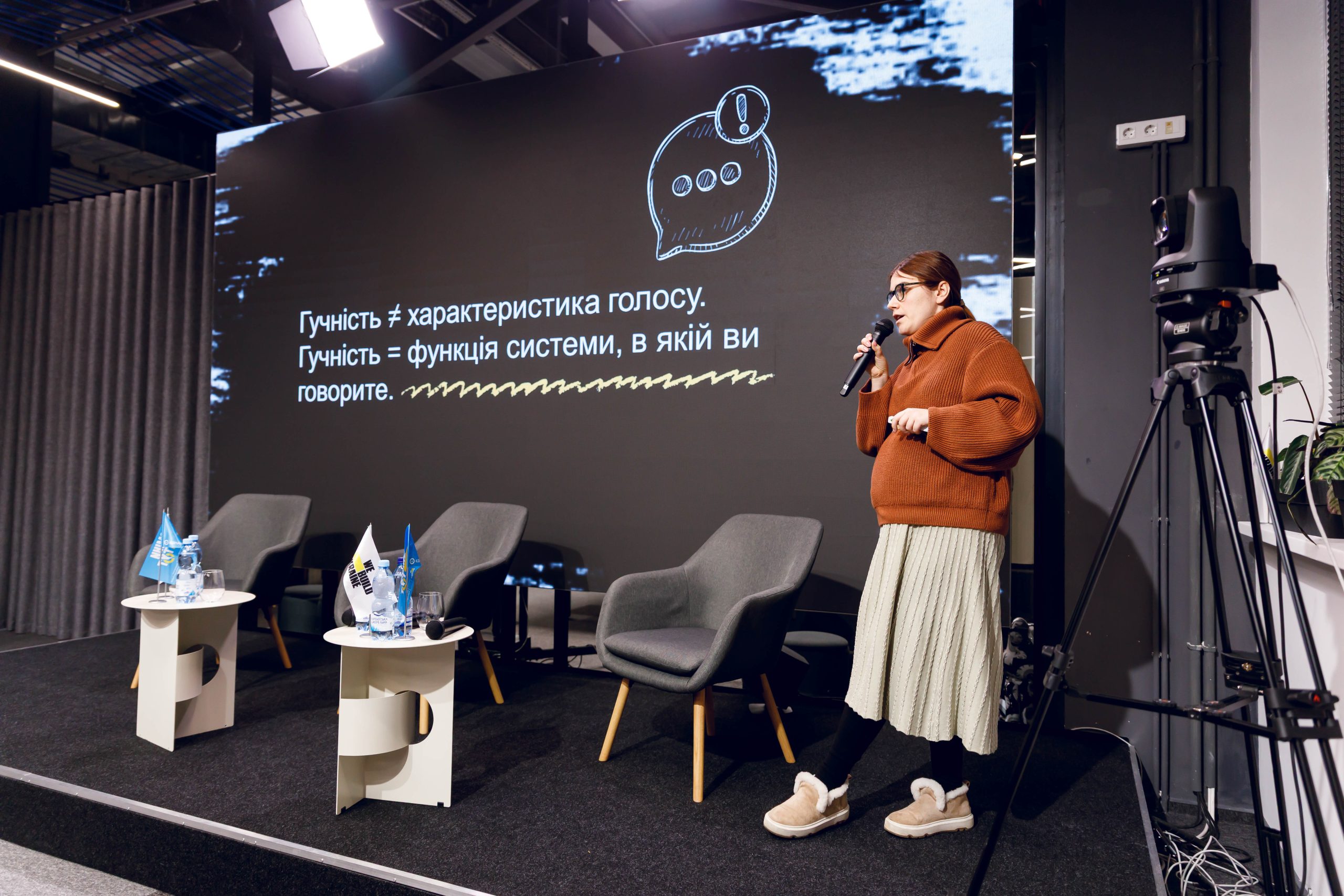
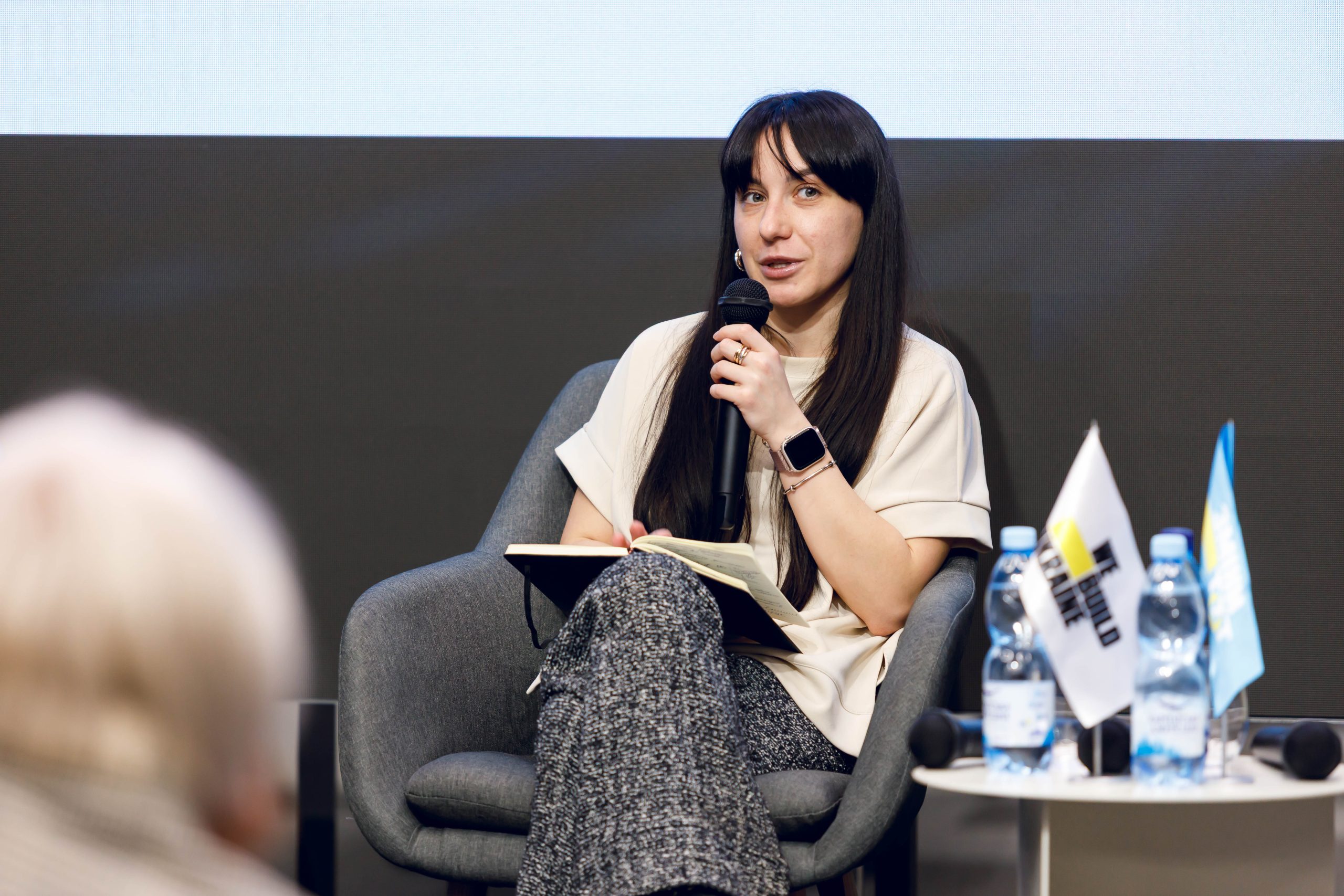
The “CHANGES HERE” project was implemented by the We Build Ukraine think tank in cooperation with ISAR Ednannia and funded by the European Union. Its objective was to enhance the capacity of NGOs and communities to participate in strategic development planning, foster cross-sectoral partnerships, and find practical solutions for community growth.


During the conference, the results of the project’s first phase were presented, including key research findings and practical case studies of collaboration between communities, NGOs, and businesses. The event was attended by representatives of international partners, state and local authorities, NGOs, the expert community, and the business sector.


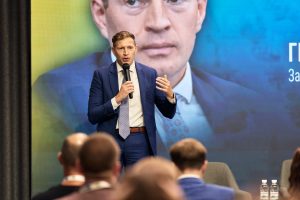
Welcoming remarks were delivered by Gediminas Navickas, Deputy Head of the EU Delegation to Ukraine; Volodymyr Sheihus, Executive Director of ISAR Ednannia; and the co-founders of the We Build Ukraine think tank, Oleksandr Kubrakov and Anna Yurchenko.


“The ‘CHANGES HERE’ project aimed to strengthen the capacity of NGOs and communities to work with strategic planning and development solutions at the local level. Practice shows that qualitative changes in communities occur when partnerships are formed between civil society, local authorities, and business, and when strategic documents begin to function as tools for real development,”
The conference program included thematic discussion panels focused on the economic recovery of communities, the development of partnerships between NGOs, business, and local government, as well as social resilience and human capital development at the local level. Participants discussed the role of strategic planning in community development, the preparation of investment projects, tools for citizen participation in decision-making, and opportunities for cross-sectoral cooperation.


Notably, the educational component of the project included a four-month training course consisting of 15 lectures and 4 workshops covering community development, digitalization, economic planning, investment attraction, anti-corruption safeguards, and the improvement of social services. A total of 256 participants completed the course, while 150 community representatives joined online meetings for knowledge exchange. Additionally, the project provided 39 expert consultations to 25 communities regarding the development, updating, and analysis of community development strategies. Simultaneously, in collaboration with experts, four community projects were implemented to facilitate future economic development and investment attraction.


The concluding conference provided a venue for discussing project outcomes, exchanging experiences between communities, and developing approaches for the further growth of partnerships between civil society, business, and government bodies.