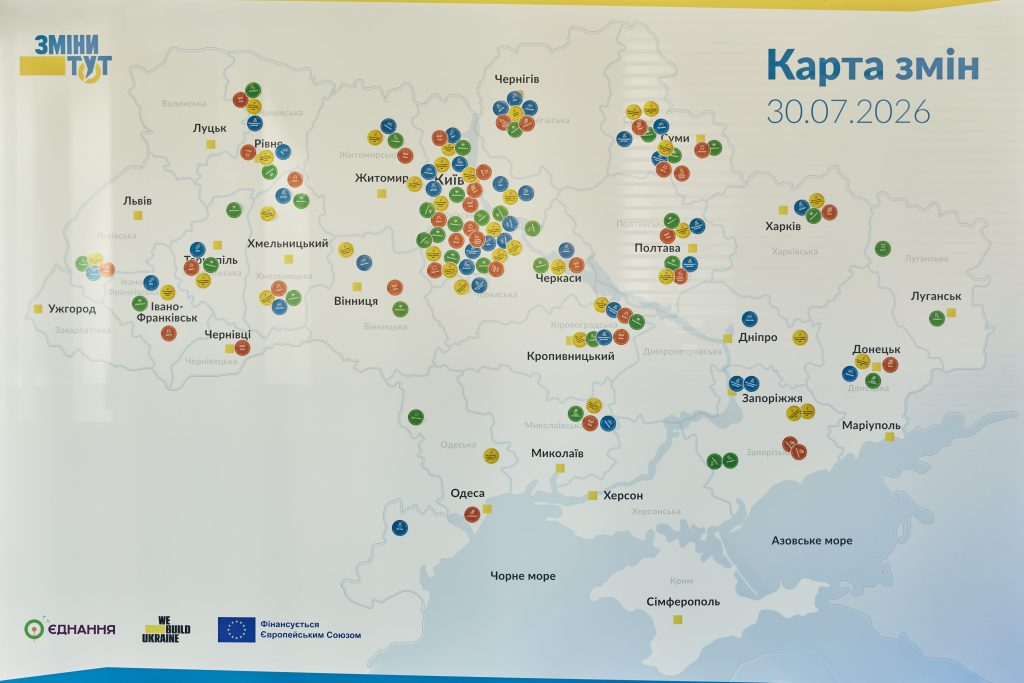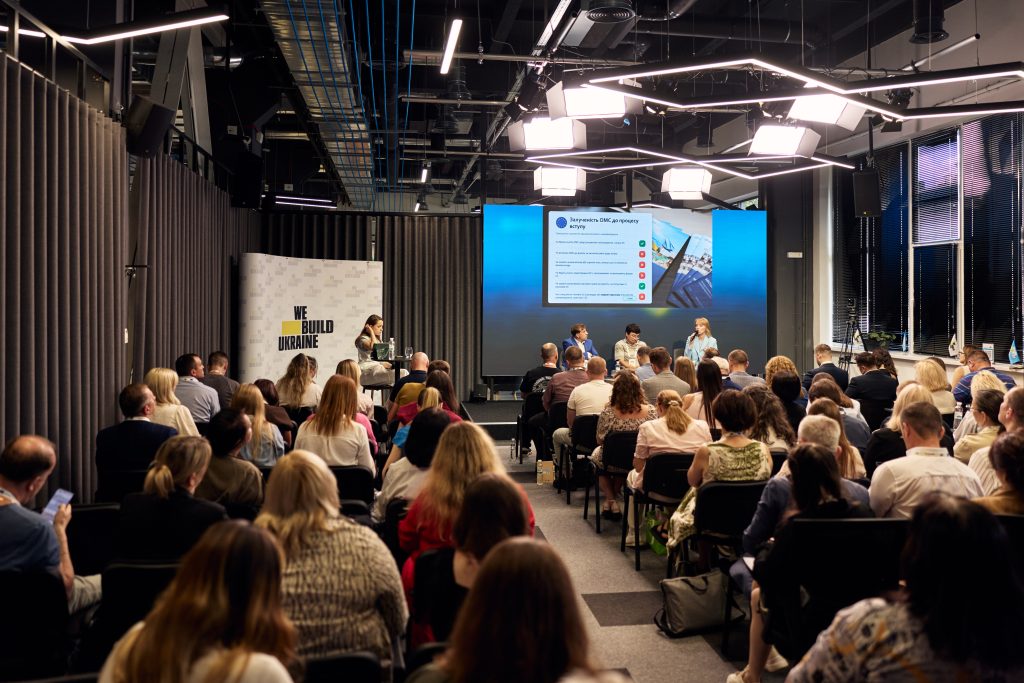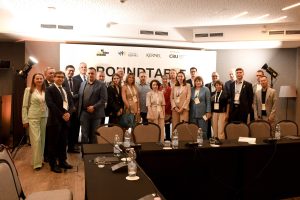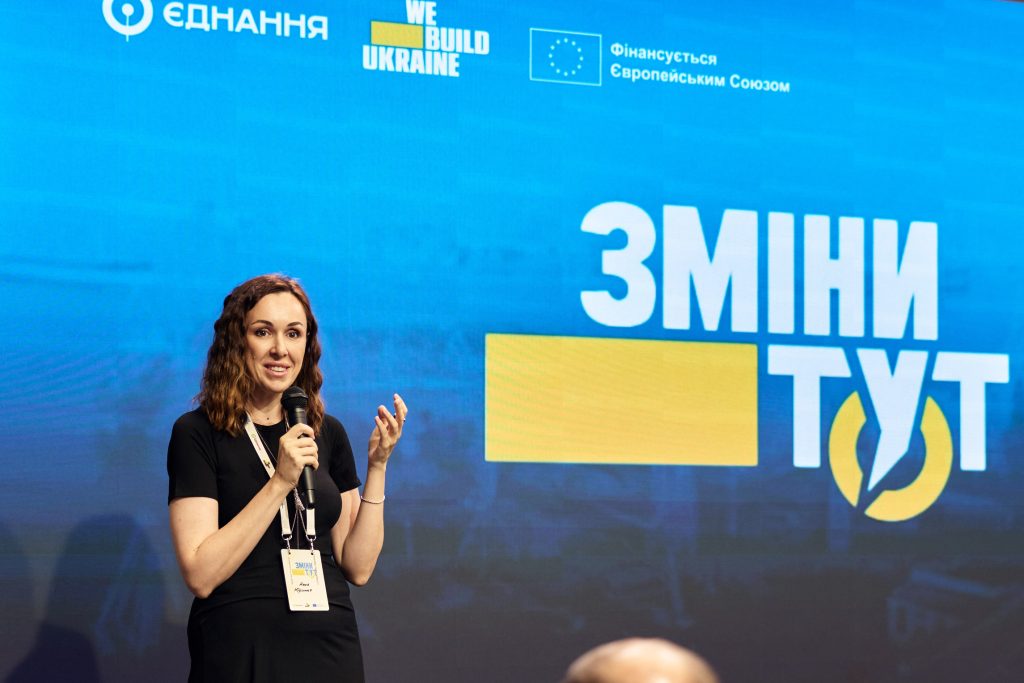
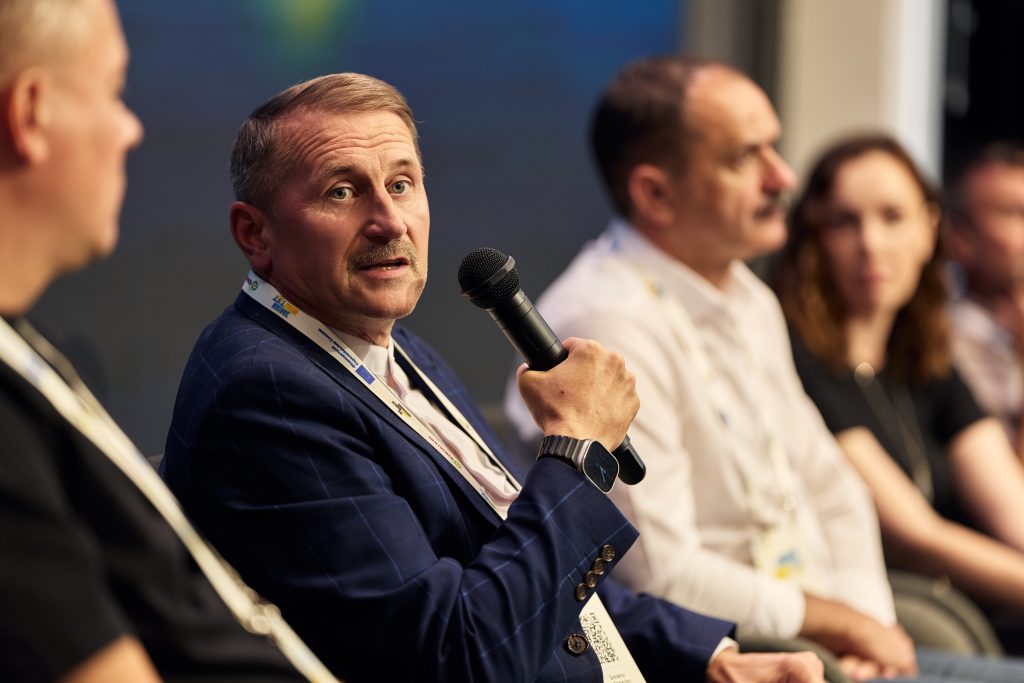
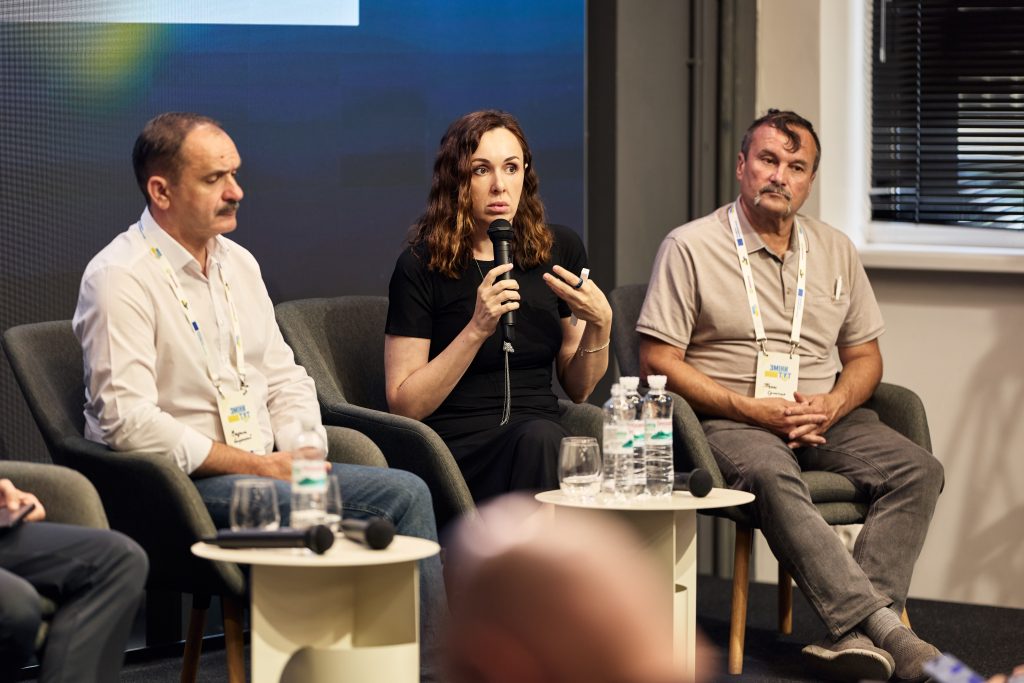
The event marked the culmination of several months of learning, knowledge exchange, and collaborative work. Its central theme was the readiness of communities for the changes that will take place as Ukraine advances on its path towards European integration.
Throughout the learning stage, programme participants explored European integration, local leadership, partnerships, communication, and stakeholder engagement. Particular attention was devoted to strategic and transport planning, contemporary urban development, and practical tools for community development.
During the forum, participants exchanged experiences, discussed current local development challenges, and identified the key elements communities need to make effective use of European
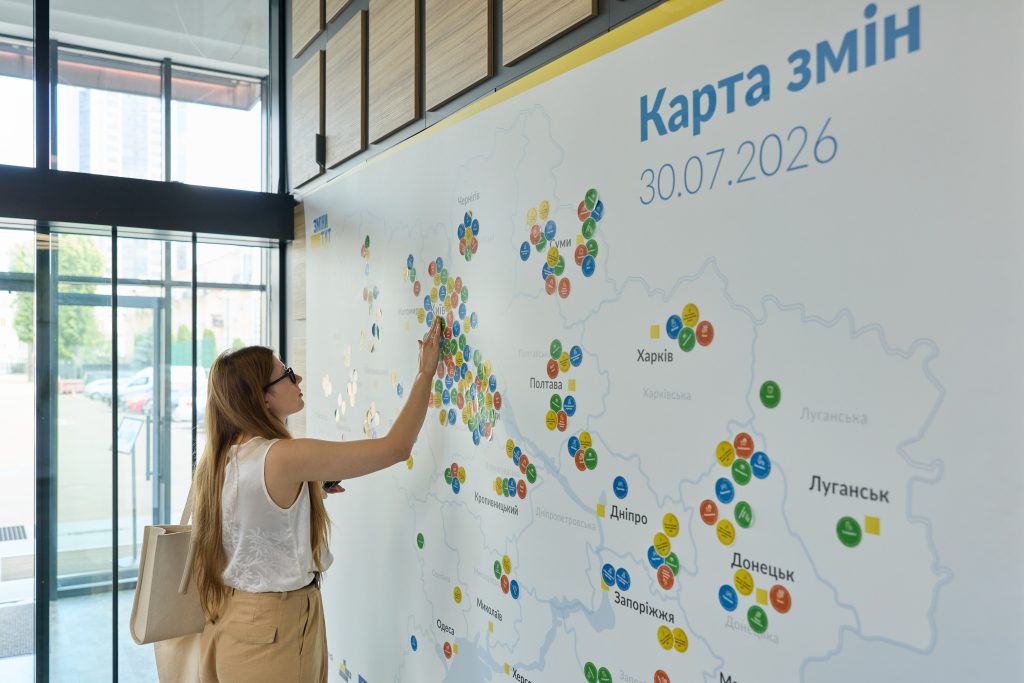
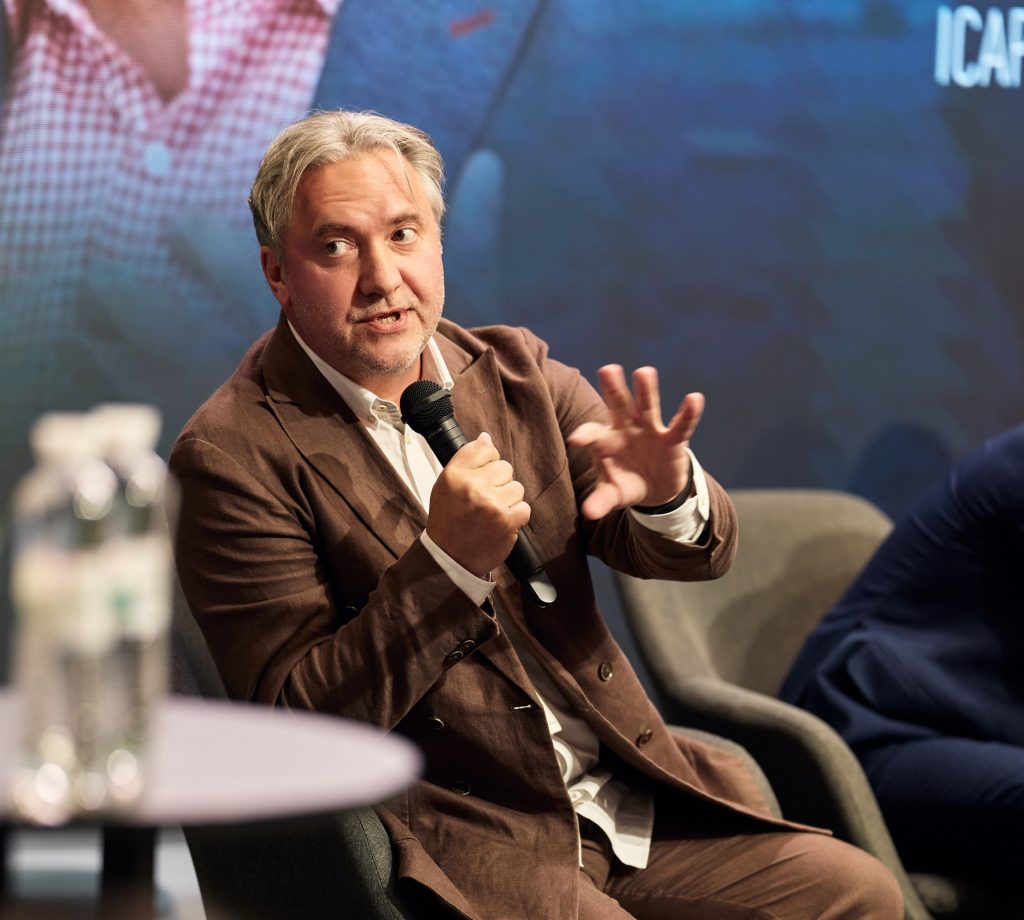 opportunities.
European integration takes place at the local level
Decisions concerning Ukraine’s accession to the European Union are made at the national level. At the same time, a significant share of European rules, standards, and policies will be implemented directly within communities.
These include waste management, energy efficiency, transport policy, social services, support for entrepreneurship, and strategic and spatial planning.
Gediminas Navickas, Deputy Ambassador of the European Union to Ukraine, emphasised that European integration is shaped not only in Kyiv and Brussels. It is also taking place in regions, cities, and communities across the country.
Ukraine’s preparedness for EU membership will therefore depend directly on the capacity of local governments to apply European approaches in their day-to-day work and translate them into tangible improvements for residents.
New opportunities require capable communities
European programmes, funds, and international partnerships provide Ukrainian communities with new opportunities for development.
However, access to funding alone does not guarantee results. To prepare and implement projects successfully, communities need professional teams, high-quality strategies, clearly defined priorities, and a willingness to take responsibility for implementing adopted decisions.
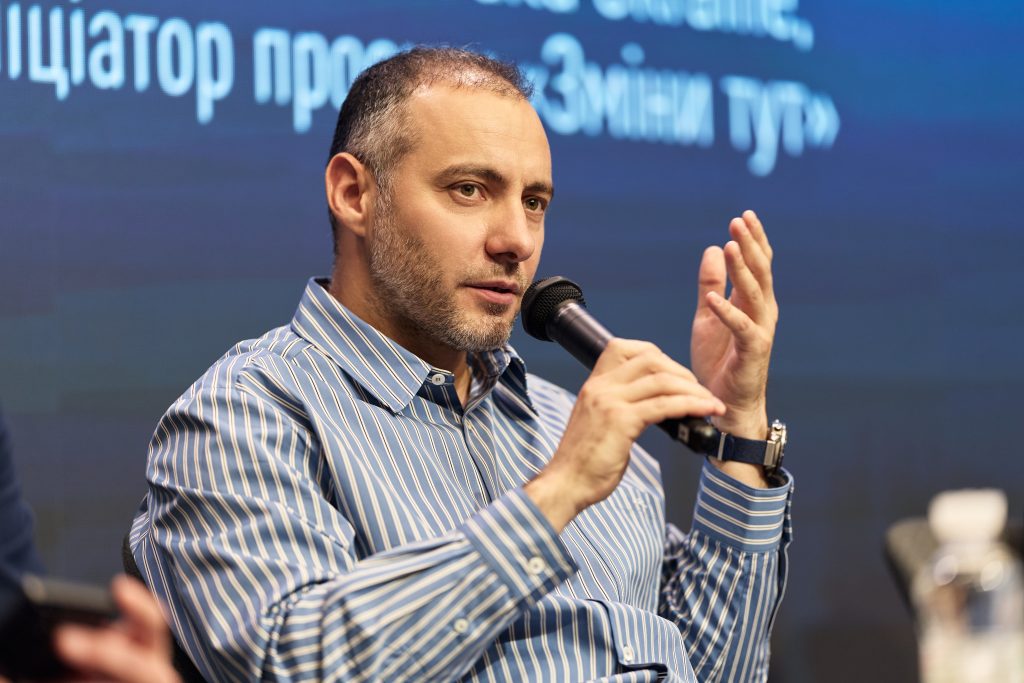
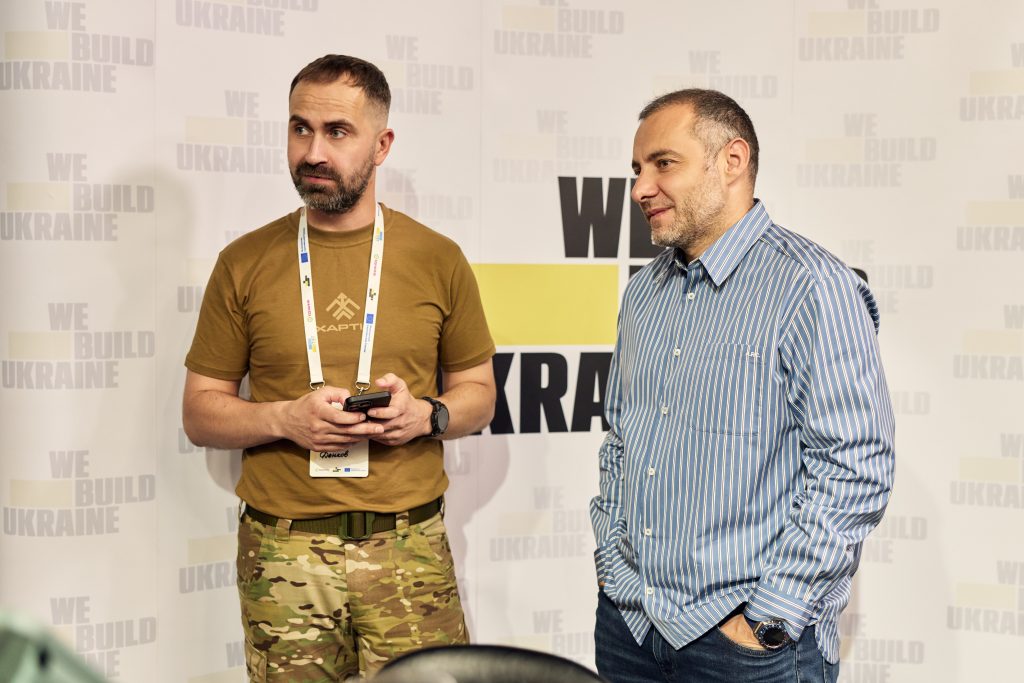
Oleksandr Kubrakov, founder of We Build Ukraine, stressed that in every area there is work that we must undertake ourselves. We may move faster or more slowly, but no one will do this work for us.
Preparing for European opportunities begins long before new calls for proposals or programmes are announced. It requires stronger teams, well-prepared projects, reliable partners, and effective cooperation with businesses and civil society.
People must remain at the centre of change
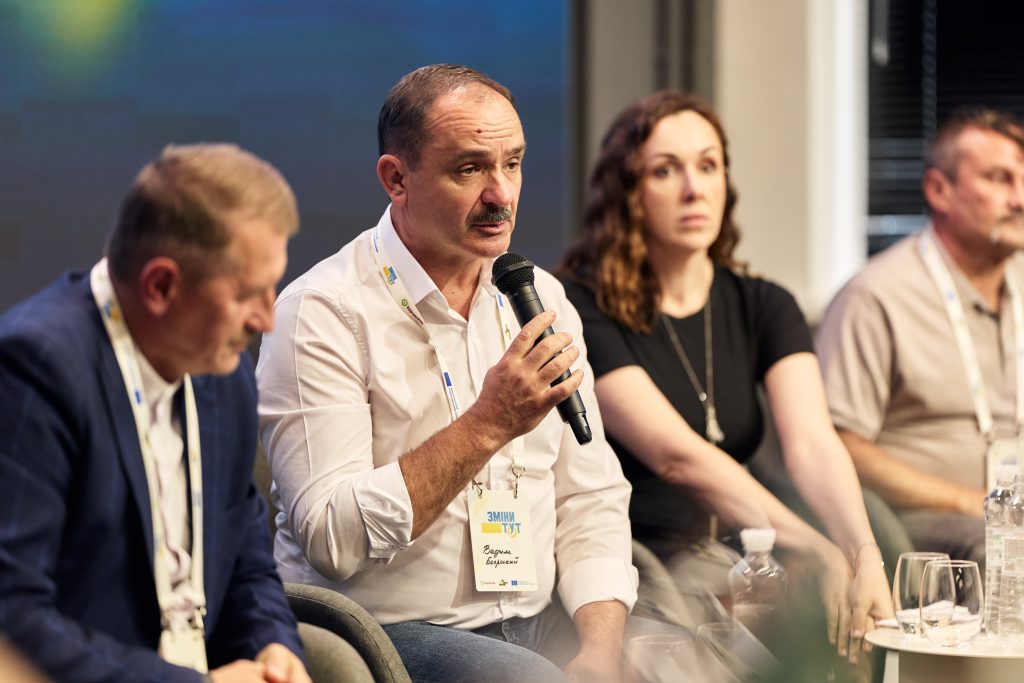
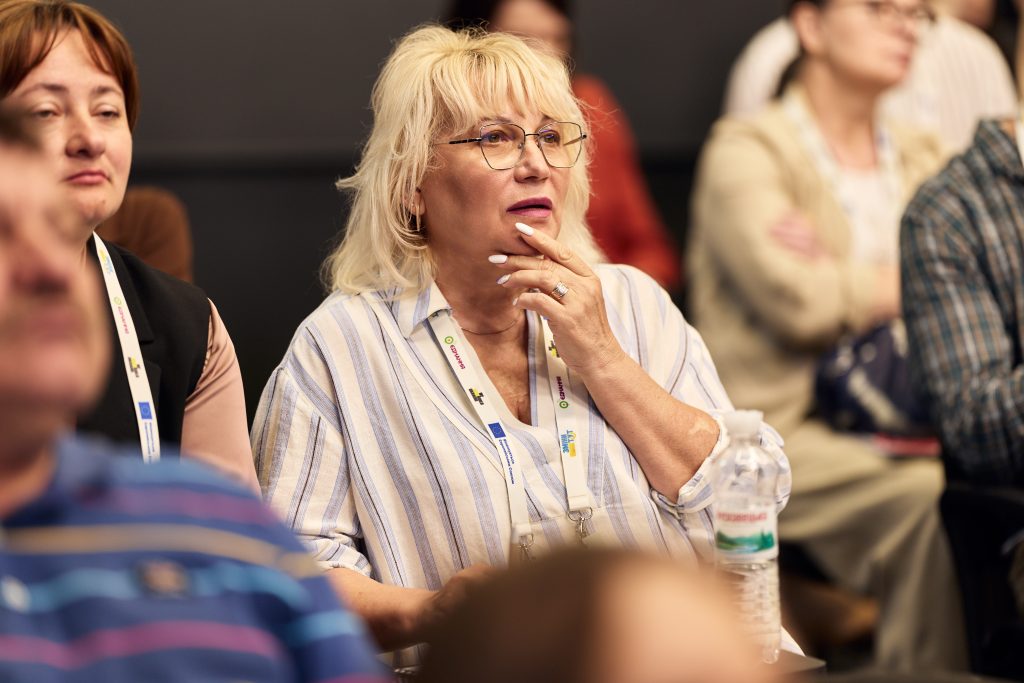
Particular attention during the forum was devoted to cooperation between the state, local governments, businesses, and civil society.
Volodymyr Sheigus, Executive Director of ISAR Ednannia, raised the question of the individual’s place within this system and their genuine ability to influence decision-making.
At the community level, the answer must be practical. It means open processes, accountable local authorities, resident engagement, and clear mechanisms for participation.
European integration should not be measured solely by the number of documents adopted. Its results must be visible in people’s everyday lives: in the quality of services, the operation of public transport, the organisation of public spaces, and people’s ability to influence the development of their communities.
From learning to practical solutions
The forum concluded the learning stage of the ZMINY TUT programme, but our work with communities continues.
The next stage will include further learning activities, focus-group work, and the development of practical cases together with programme participants. The programme’s next objective is to help communities transform the knowledge they have gained into solutions that can be implemented at the local level.
We thank all participants who joined us in person or followed the forum online. We also thank the speakers who shared their experience, knowledge, and practical approaches, as well as the partners whose support made both the learning programme and the forum possible.
European opportunities begin with communities that are already learning, strengthening their teams, preparing projects, and taking responsibility for implementing change.